Located in the Middle of a Vast Depression, This is a Rare Water City in Northern China with Jiangnan-like Scenery
Although Guangfu Ancient City's fame and influence are far less than that of China's four major ancient cities, it possesses an equally rich cultural and historical heritage, which I find remarkable. However, considering the sheer number of ancient sites within China, its relative neglect is understandable. This has led to its adoption of a somewhat ambiguous and paradoxical title: 'The Forgotten Mysterious City'.
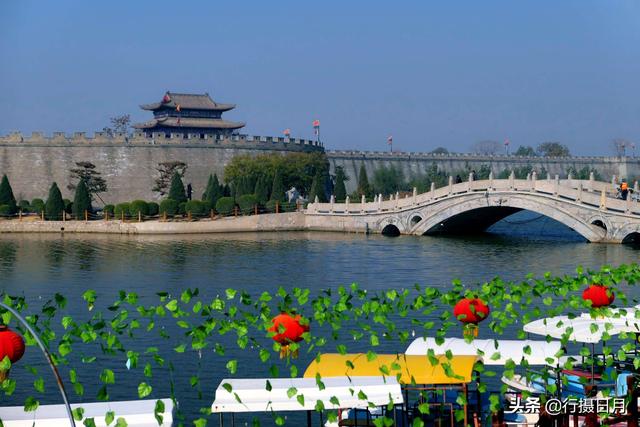
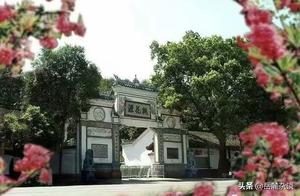
Guangfu Ancient City is located in Handan, Hebei, a city known as 'the City of Proverbs,' approximately 15 kilometers from the city center. It has a history of city construction dating back 2600 years. Due to its role as Guangping Prefecture during the Ming and Qing dynasties, it was named Guangfu.
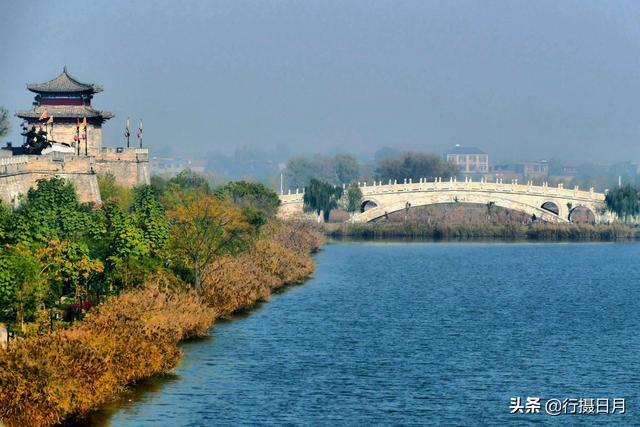
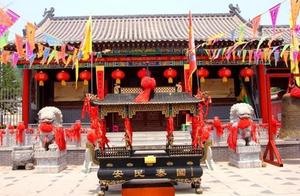
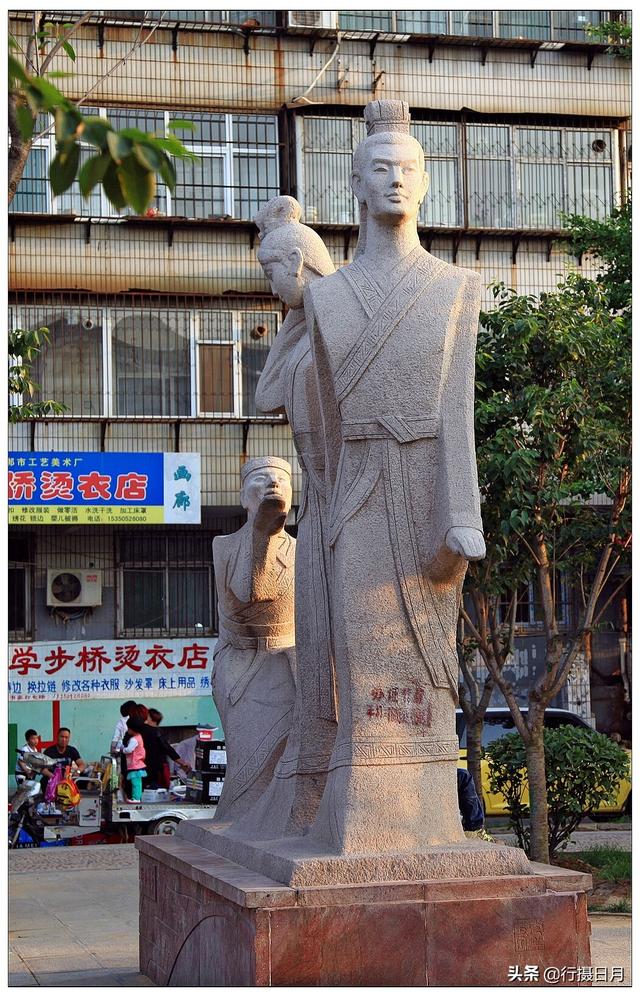
Records of Guangfu can be traced back to the Spring and Autumn period. Its most glorious period was during the Warring States period, lasting for over 150 years as the capital of the Zhao State. It also held a significant position during the Yuan, Ming, and Qing dynasties, owing to this deep-rooted background, which fostered countless famous idioms and anecdotes. Can you spot the proverb statue?
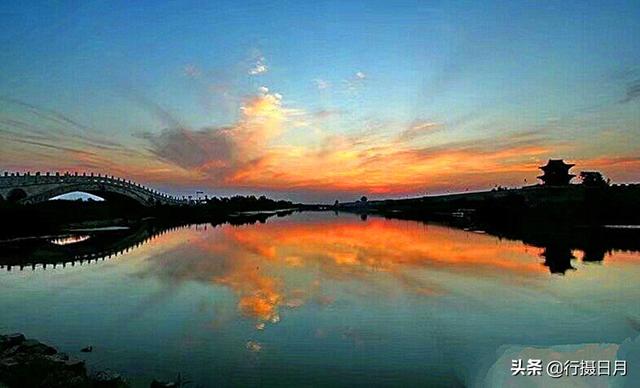
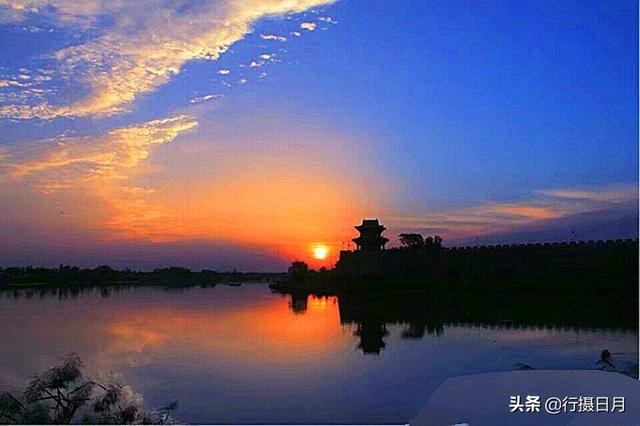
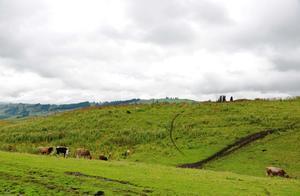
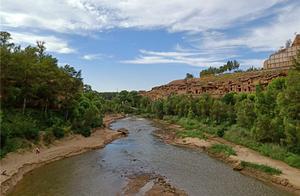
Guangfu City is situated in a vast depression in Handan's Yongnian District, Hebei, a remarkably rare water city in the drier northern climate.
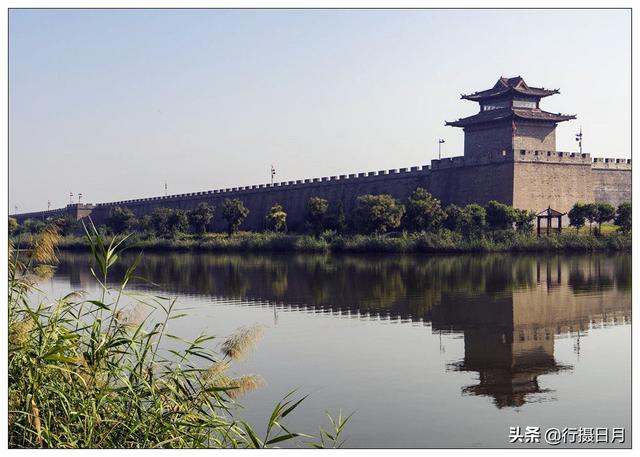
Having a defensive moat is not uncommon, but the moat along the Guangfu City walls flows smoothly due to the terrain, unlike other ancient cities, at least as far as I know, such as Pingyao Ancient City, which is stagnant.
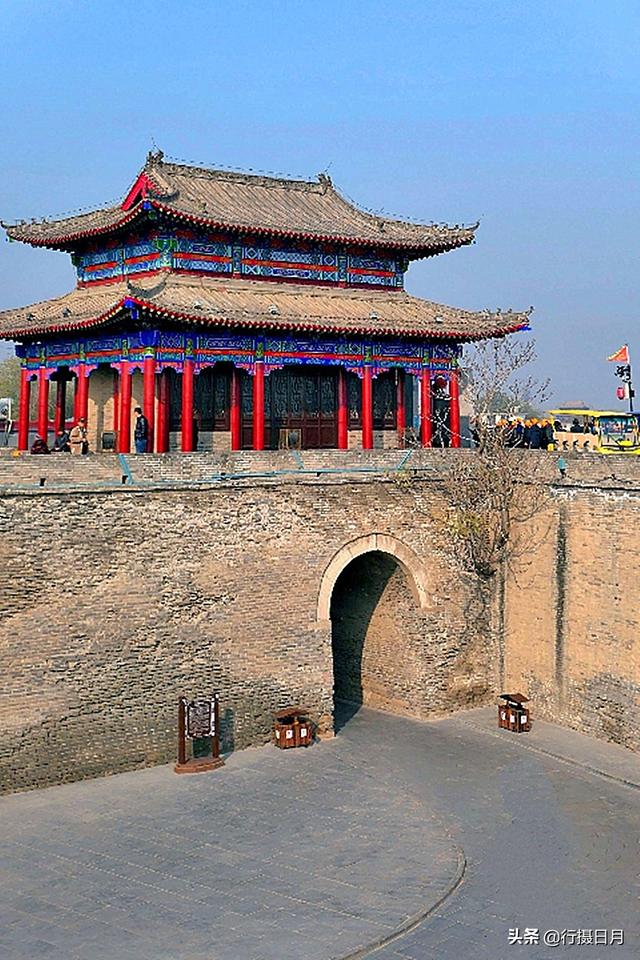
Although the city walls belong to those built during the Ming dynasty, they have largely maintained their original appearance after centuries, which is gratifying.
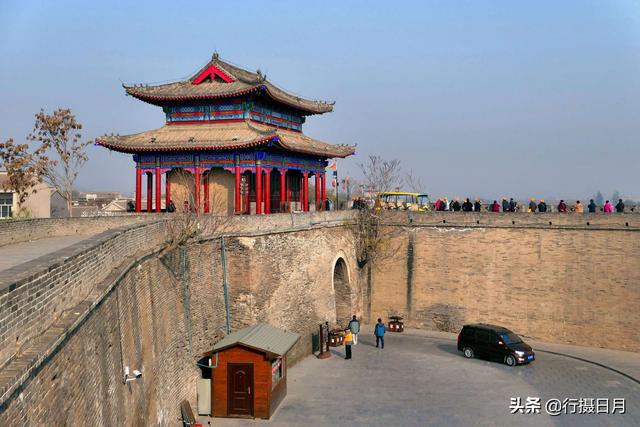
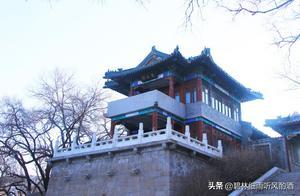
The four corners of the city towers are equipped with corner towers, and the battlements extend to nearly a thousand. Added to this is the specially built city for co-defense, a truly formidable fortress.
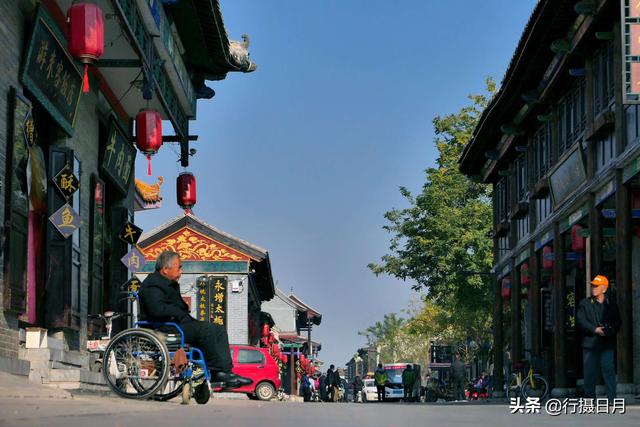
Walking into the ancient city, perhaps because of its shared northern location and proximity, the scene before me felt familiar, like returning to Pingyao Ancient City. The sides are lined with various shops, mainly selling local snacks, with differences.
Those who practice Tai Chi, may know Yang Lu-chan. He is the founder of Yang's Tai Chi, and a native of Guangfu, to commemorate this prominent master and promote Tai Chi, the city has developed the Yang Lu-chan Residence.
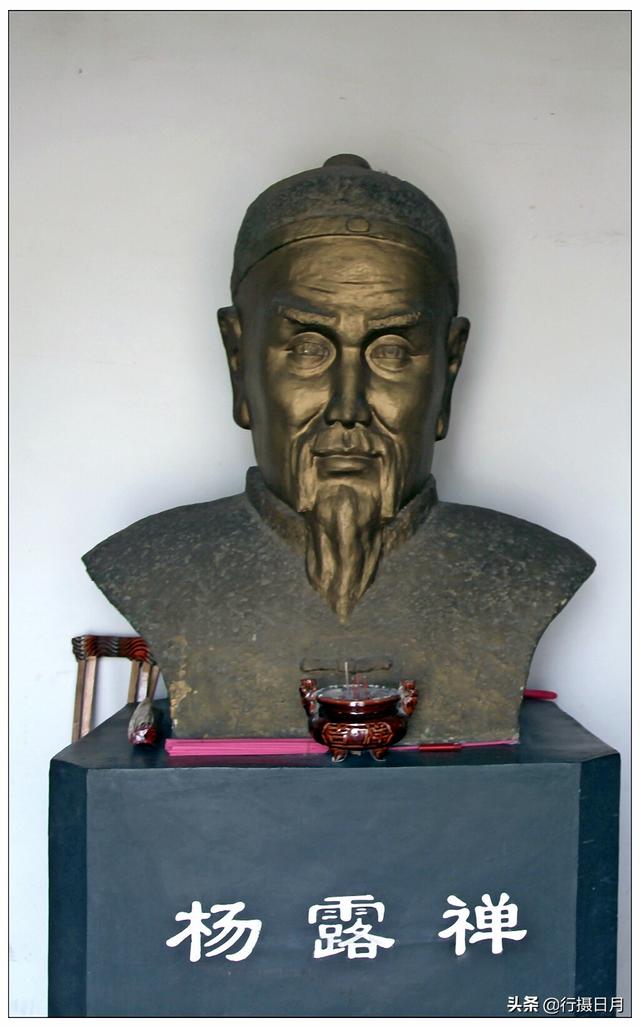
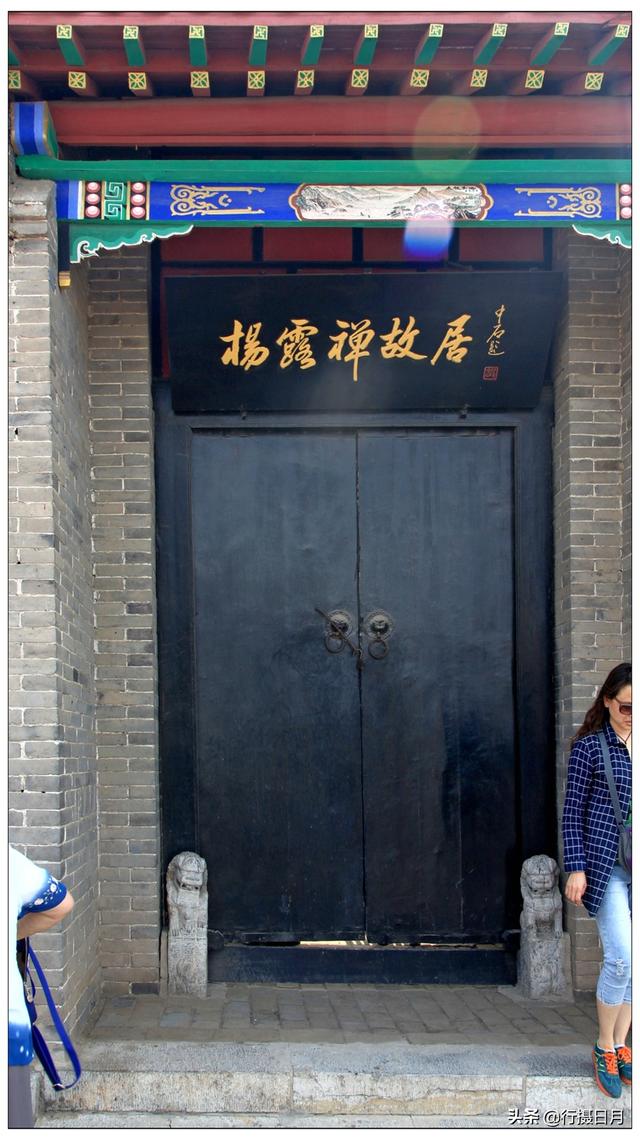
The 'Tai Chi fish' symbol, prominently displayed in the residence, The Tai Chi style gained great acclaim. 'The flowing notes, the 'bishoku' in sports competition', are the best expressions of its greatness.
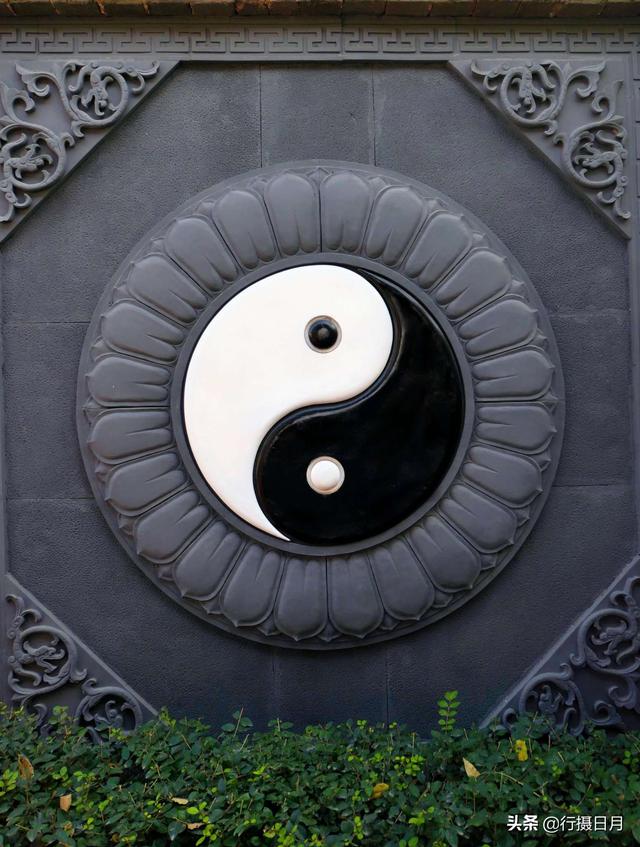
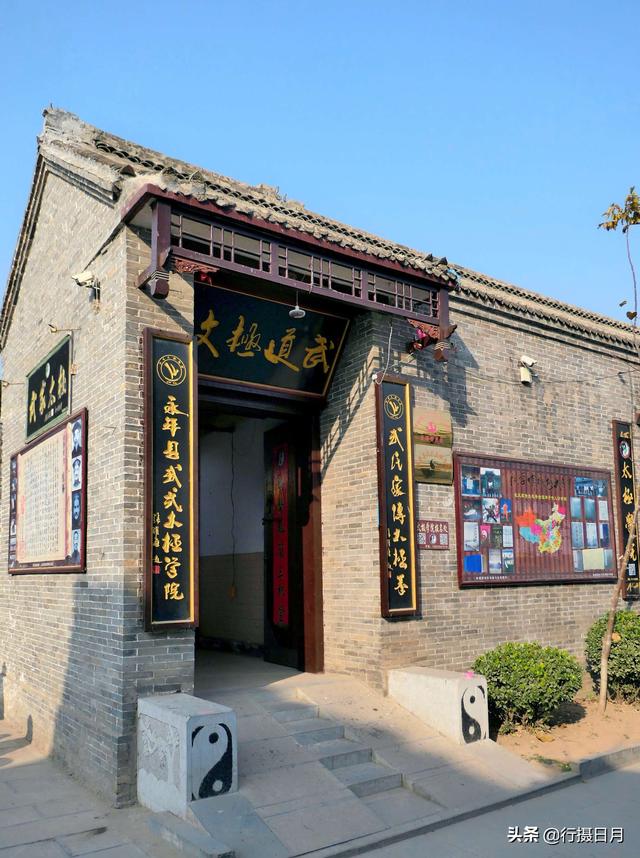
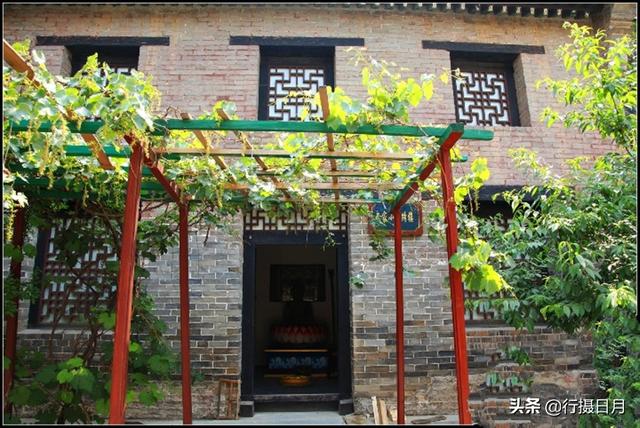
The residence has a strikingly prominent Tai Chi symbol of black and white fish. The ancestral home of Wu family's Tai Chi practitioners, showcasing a people's long-standing martial tradition. The three-axis, three-court layout is impressive, exceeding the scale and architectural style of the Qia family's residence.
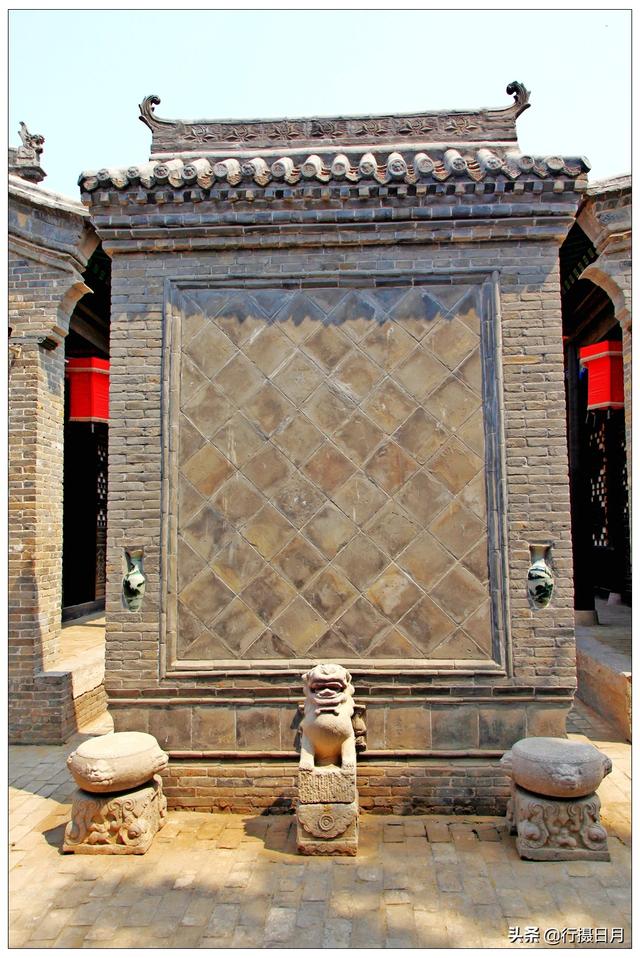
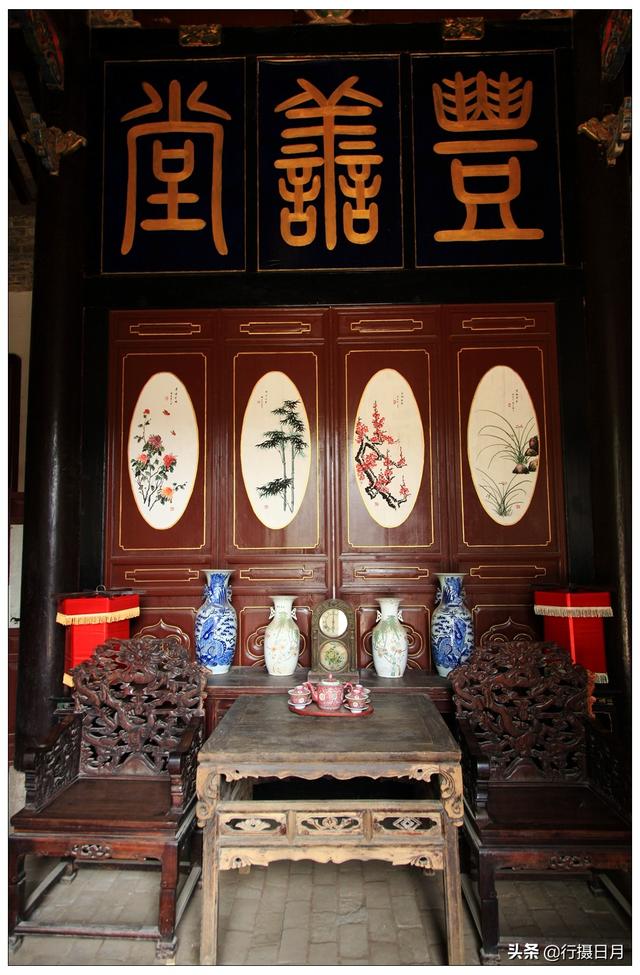
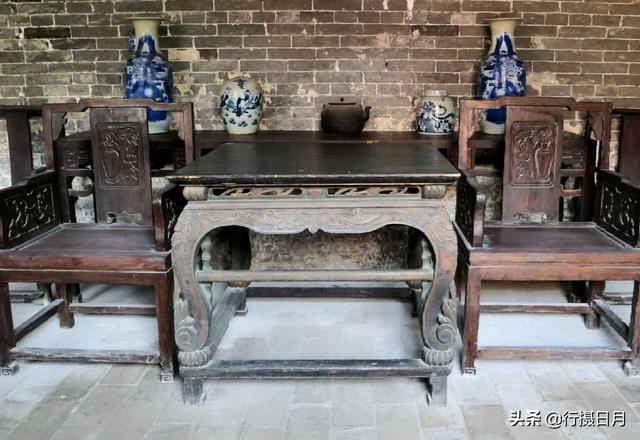
With a boisterous voice, it's no wonder the guest room is spacious. The room showcases a collection of Ming and Qing furniture.
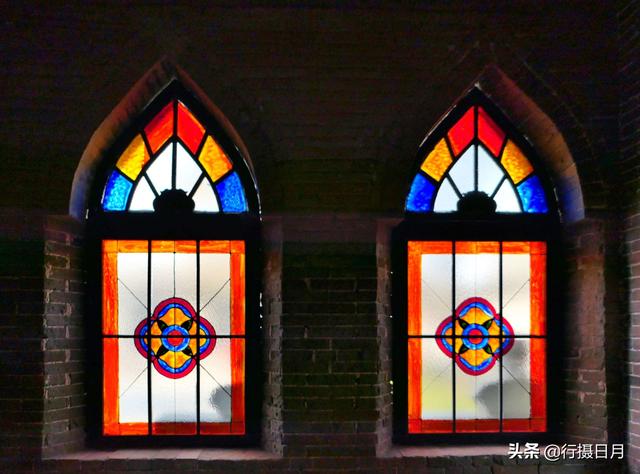
It was quite a surprise to see a church there; did the owner practice Catholicism?
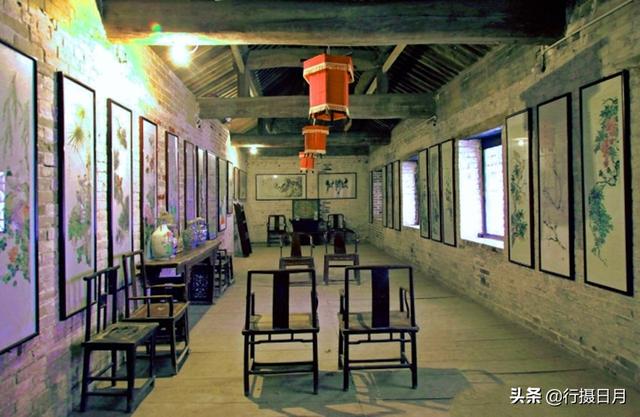
A quiet and elegant study, where the ladies are rarely seen.
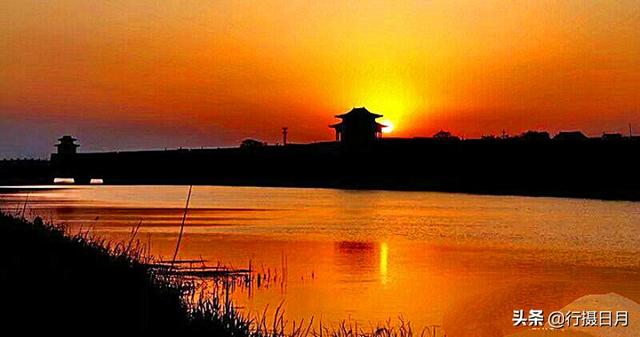
As dusk fell, leaving the ancient city, walking along the meandering riverbank, crossing the elegant and smooth arched bridge, and gazing across at the Guangfu Ancient City, the water city's atmosphere was even more intense in the setting sun, no wonder it has the reputation of 'Little Jiangnan in the North'.
I feel fortunate to be seen among the millions of pieces of content, and I thank you for reading. If you can give it attention and like it, I will be very happy.
“”