Beijing’s Most Unassuming Hutong: The Last Empress Once Lived Here, Often Overlooked by Tourists
Beijing is full of historical sites, and it would take ten days to truly explore them all.
Traveling without leaving home, following my words and pictures to wander Beijing's alleys is also a good choice.
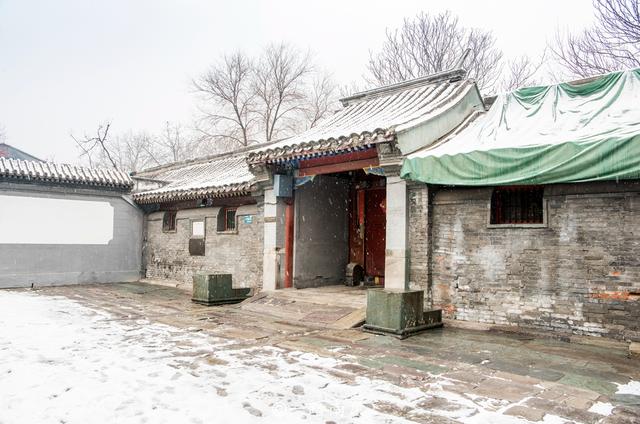
Beijing is a historic capital city that integrates various cultures. Besides the Forbidden City and Beihai Park, there are also countless Hutongs, and Nanluoguxiang, a popular tourist spot near the Forbidden City and Jingshan Park, is favored by tourists. Nanluoguxiang has many small alleys, such as Mao Hutong, which is a particularly special alley.
Although this alley is connected to Nanluoguxiang, it is rarely seen with a few tourists; most of those passing through are local residents or business workers.
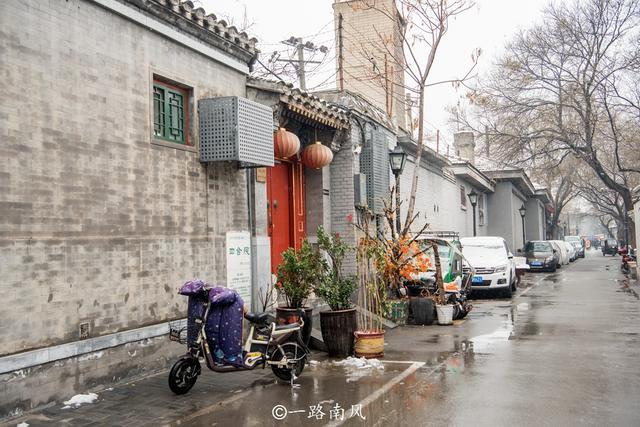
Mao Hutong is only 585 meters long and seven meters wide. Although short, it has many ancient buildings, most of which are now private businesses or operated by merchants. Tourists cannot enter to visit, but they can appreciate the external appearance of the buildings on the street.
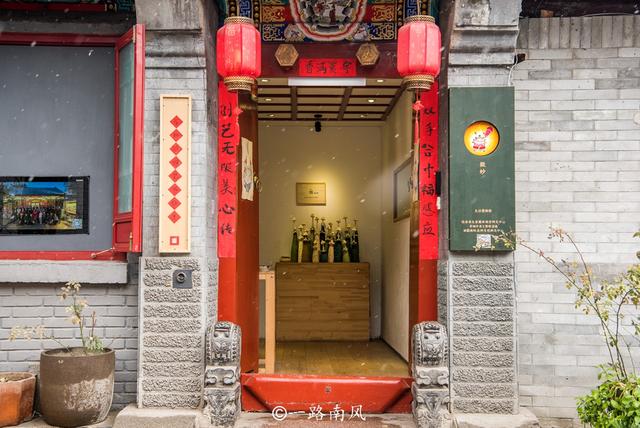
The last Empress Dowager lived in Mao Hutong for a period, and there are also Qing Dynasty Foot Army Commander's and Ming Dynasty Wencheng Temple and's cultural heritage protection units in the alley.
If you only look at the appearance, Mao Hutong is a very ordinary alley in Beijing's countless Hutongs; only those who truly like Hutong culture and want to learn about human history will take time to wander.
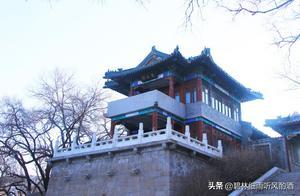
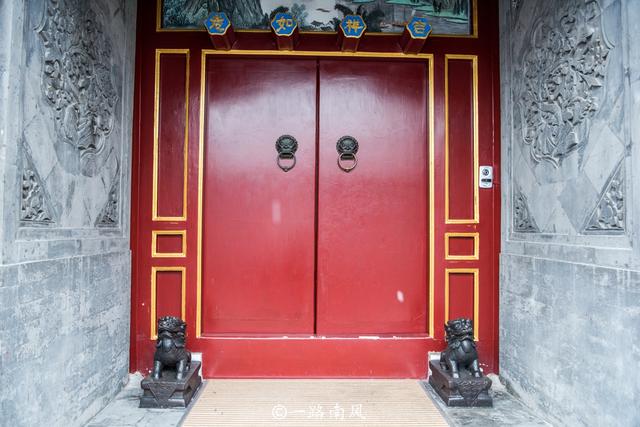
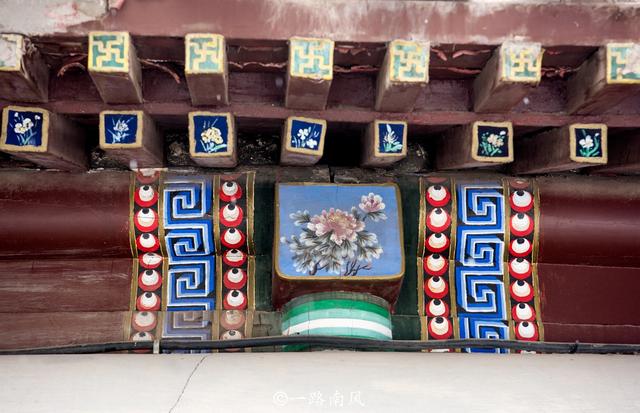
The buildings in Mao Hutong look ordinary at first glance, but if you carefully appreciate them, some buildings have exquisite details, such as painted beams, which are usually famous mansions.
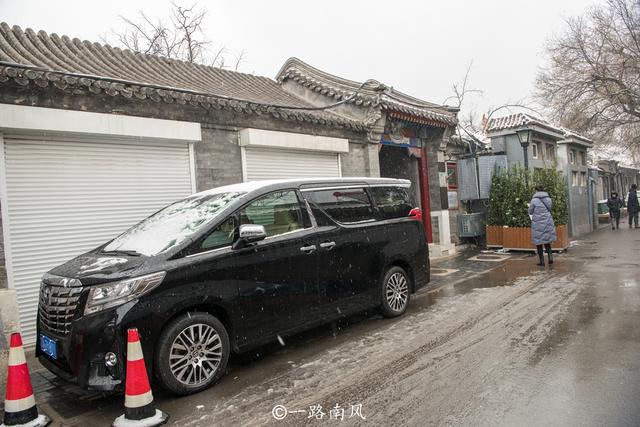
Although you cannot visit the mansions and gardens in Mao Hutong, just wandering and appreciating these ancient buildings' exteriors is a window into Beijing's urban culture.