In 1963, Farmers in Henan Province Discovered a Cave Named Xuehua Cave, Now Developed into a Scenic Area
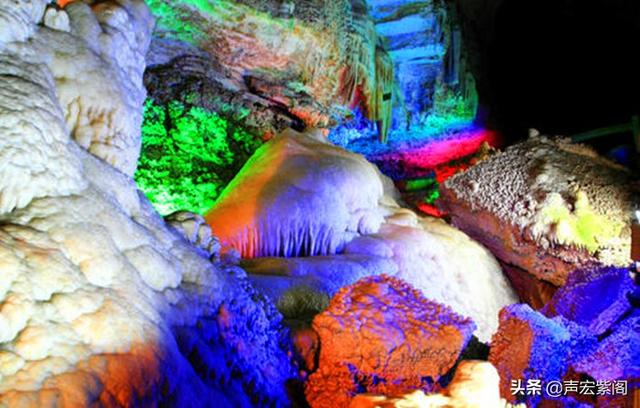
The scenery is only for those who are lucky enough to have it. Just like the farmer Yang Zhihua in Xiyang Village, LinTong County, Shaanxi Province, who discovered the terracotta warriors and horses by digging a well, the farmer in LaoMiao Village, Gongyi City, Henan Province, discovered the Xuehua Cave while building a house. Now it has become the Xuehua Cave Scenic Area of Fangxi Mountain, with Shan Qing, Shui Xue, Dong Qi, Zhai Gu, Miao You, and it is a fairytale-like snow cave. Whenever tourists come to visit the snow cave for tourism, the tour guides will tell the legend of how the farmers discovered the snow cave.
The name of Fangxi Mountain comes from 'Shan Hai Jing'. 'Shan Hai Jing' records that the landscape of this mountain is '……!' 'Fangxi' refers to this.
Fangxi Mountain is also known as 'Old Temple Mountain', 'Nine Snowy Flower Mountains', 'Stone City Mountain', and 'Fang Mountain'. The name 'Old Temple Mountain' is the most common. Previously, Old Temple Mountain was poor and backward, and the residents would rarely leave the mountains unless they needed to buy salt, cloth, or agricultural tools. They would have to climb over mountains and ridges, cross rivers and ditches, and it took 20 or so kilometers to get out of the mountains, which was very difficult.
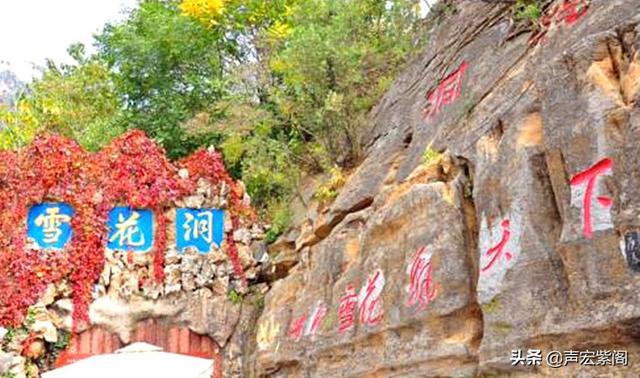
The reason why Old Temple Mountain is called 'Old Temple Mountain' is because of the old temple – the Temple of the Jade Goddess – located in the mountain. Legend has it that during the Yellow Emperor's time, the village girl Yu Xian assisted the Yellow Emperor's concubine Lady in planting mulberry and silkworm, raising silkworms, and extracting silk and educating the world. After that, a temple was built in the mountain to worship Yu Xian as a god, and they worshipped her for her merits. The Qin Emperor once stayed at the temple, received guidance from an old woman in his dream, and considered Yu Xian his 'mother-in-law', so the temple was named 'Temple of the Jade Goddess'. The residents were used to calling the temple 'Old Temple', and the surrounding mountains were called 'Old Temple Mountain'. The administrative village where Old Temple is located is still called 'Old Temple Village'.
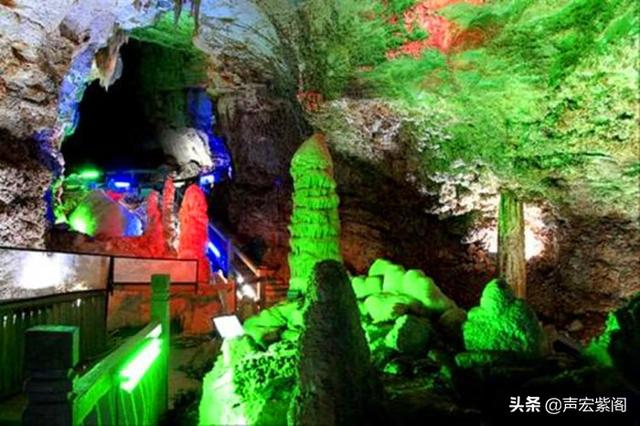
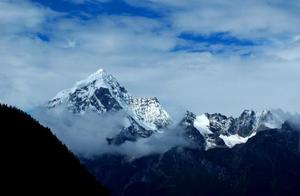
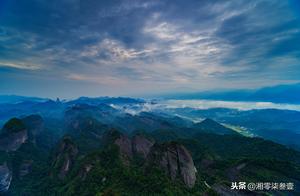
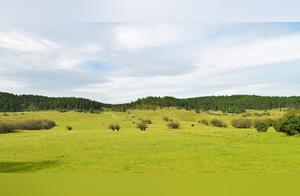
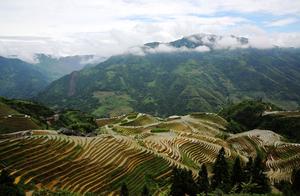
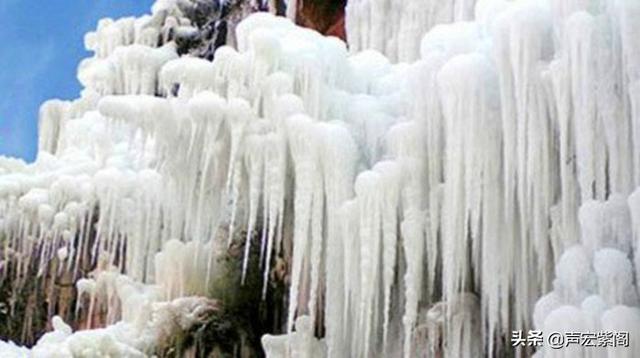
Old Temple Mountain is a typical karst landform. The mountains are beautiful with water and clouds, with peaks and mist, and the peaks are exquisitely shaped. The 'Fang Mountain Snowfall' in the mountain is listed as 'No. 1 Scenic Spot in Gongyi County'. The nine peaks surrounding the Temple of the Jade Goddess are towering into the clouds. Every winter, after the snow, the white snow on the peaks melts later than in the sun, and it shines like nine snow lotuses, so it is also called 'Nine Snowy Flower Mountains'.
The first person to discover the snow cave was , a resident of New Town Old Temple Village. In December 1963, he dismantled the three dilapidated thatched houses and prepared to build a new house. When digging the foundation, he accidentally dug a small hole, and to make the foundation solid, he filled the hole with the garbage from the three houses. The result was that the garbage from the three houses didn't fill the hole, and he was very curious to see what was inside. Because of his family's limited conditions, he couldn't do it.
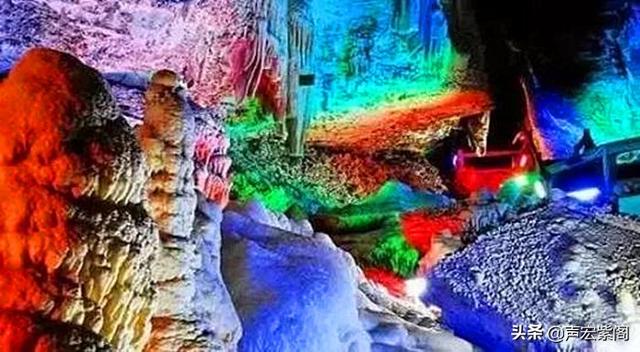
Time passed day by day. By 1972, in December, organized farmers to work in the nearby caves, and suggested to take a look at the caves. So they borrowed more than ten ropes and several flashlights to explore and investigate. At first, no one dared to go down, mainly because they were afraid of whether there was poisonous gas in the cave or whether there were other animals. They made a simple test: one used dried grass to make a torch and threw it into the cave to see if the flame burned well. Two used chickens as experiments, and after 10 minutes and 20 minutes, the chickens were brought back intact, with no suspicious signs. So they started to explore. The people who went down used ropes to tie their waists, flashlights and knives to protect themselves. The first time went down, two people went down, and they explored a radius of more than 50 meters in the cave, and they felt that the cave was very large, which is now the 'Heavenly Hall'.
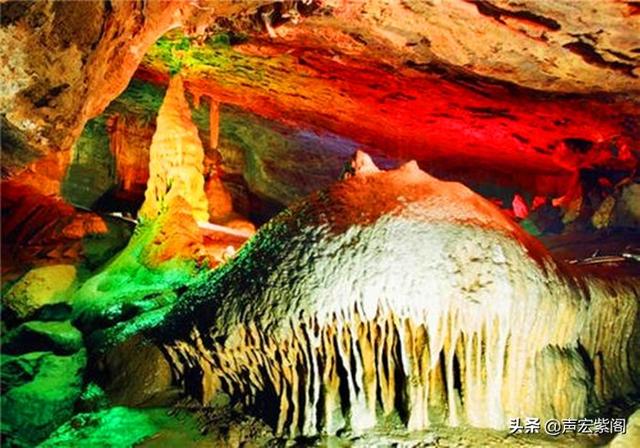
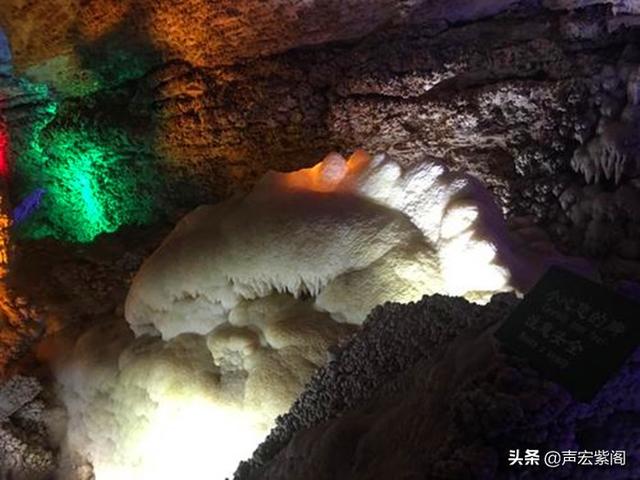
The second time five people went down, everyone carried flashlights and knives for defense. The more people there were, the more courageous they were. This time they found the 'Jade Goddess Hall'. They saw the white needle-like things on the walls and felt that they were very beautiful. They couldn't help but be very happy. They said that this was a magical thing. The wall could also grow snow. They thought it was a gift from the gods, so they had to protect it. This wonderful world opened up many people's imagination and decorated many people's dreams. Creation is ingenious, and the world is beyond our understanding. After exiting the cave, they reported the situation, and many people said that the walls could also grow snow. So they called it 'Snow Flower Cave'.
Gongyi is a historical and cultural city in Henan Province. There are more than 70 sites of the, and Longshan cultures. It has more than 100 national, provincial and municipal-level cultural relics protected, such as the Wei Stone Caves and the North Song Imperial Tombs and the Kang million Manor. To learn more about Gongyi, Henan, you can directly enter 'Gongyi scenic and historic sites' in the search box at the top of the 'Today Headline' app.
“”“”“”“”“”“”20“”“”