The Most Difficult ‘Wild Great Wall’ to Restore, with Superior Scenery, but Progress Slow Due to Tourist Damage
China’s Great Wall is the country’s most precious cultural heritage, with its presence stretching from the Bohai region all the way to Shaanxi and Gansu provinces. Although the Great Wall’s length is impressive, only about 10% has been developed as tourist attractions, with many areas remaining undeveloped, and these undeveloped areas have individual nicknames, ‘wild Great Walls.’
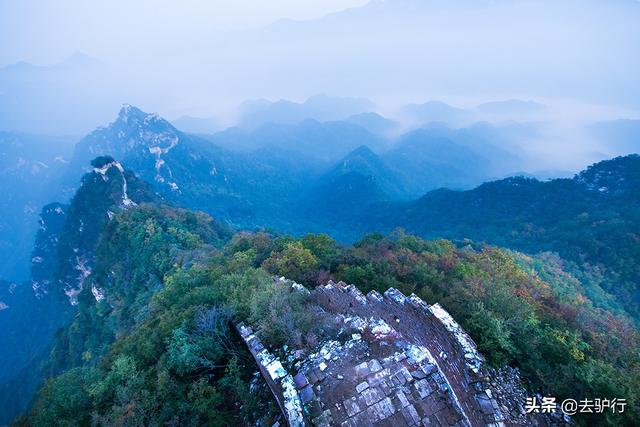
There are many wild Great Walls in the suburbs of Beijing. These Great Walls were military strongholds during the Ming and Qing dynasties. If they were developed today, they would undoubtedly be as famous as Badaling. The most renowned wild Great Wall is undoubtedly Jiao Ao (Arrow Corner) Great Wall.
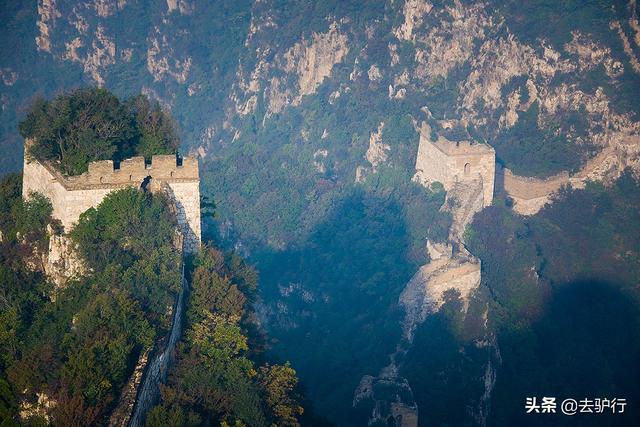
Jiao Ao Great Wall, named for a protruding arrow-shaped structure resembling a bow with arrows drawn, was built during the Ming Dynasty. It’s a typical perilous section of the Great Wall, considered the third most difficult to reach among the three most perilous sections near Beijing. It’s often dubbed the most difficult to reach by backpackers. Perhaps this difficulty is what made Jiao Ao Great Wall the most impregnable fortress guarding Beijing, effectively giving half the battle to conquer the world if it were breached.
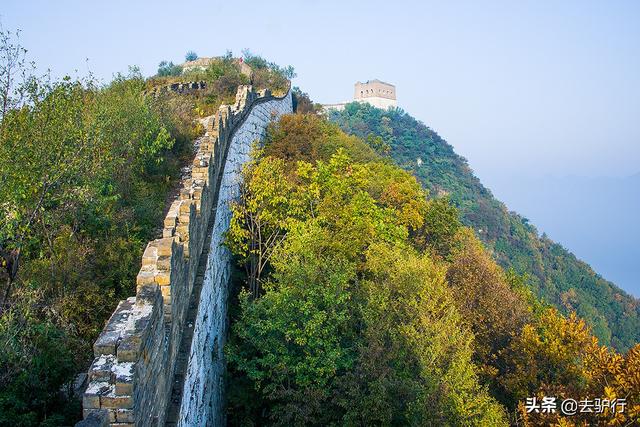
For years, many people have insisted that ‘one must reach Jiao Ao Great Wall to be a true man.’ Challenging Badaling is meaningless, you must ‘conquer’ Jiao Ao Great Wall to truly experience it. However, many tourists get stuck on Jiao Ao Great Wall due to its rugged roads, unfinished repairs, and warnings.
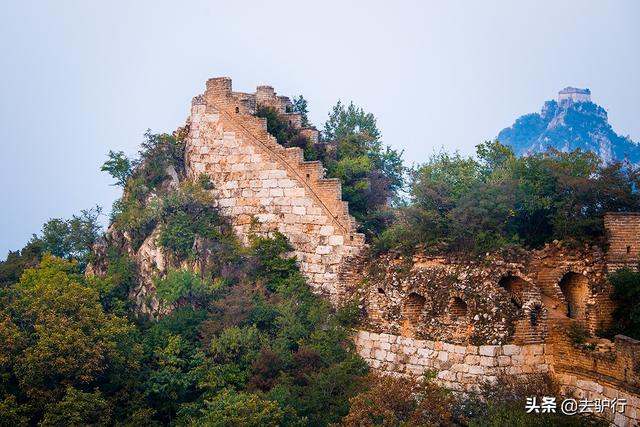
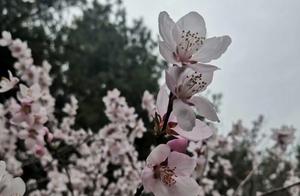
Such a dangerous Great Wall attracts so many travelers despite the risks, because its scenery is considered the most beautiful in Beijing. In the spring, the apricot blossoms on Huairou Mountain bloom in patches, complementing the Great Wall's dark gray-black color, appearing delicate yet strong, firm yet beautiful.
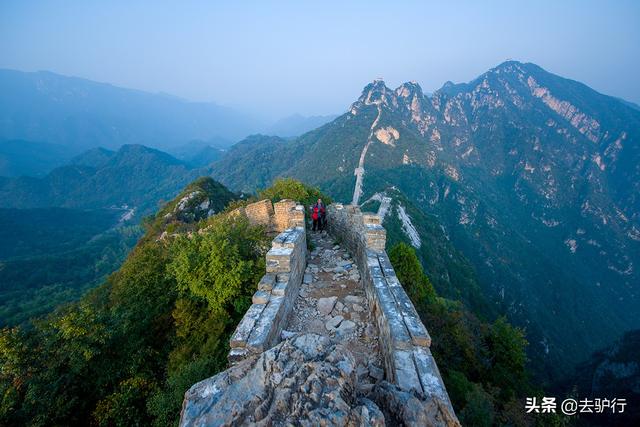
In winter, the Great Wall and the mountains are covered in snow. Climbing the Great Wall at this time reveals a dilapidated section of the ancient wall, like a decaying old man lying on a bed on a mountain ridge. In the bleak, snowy wind, a sense of loneliness and solemnity fills the air.
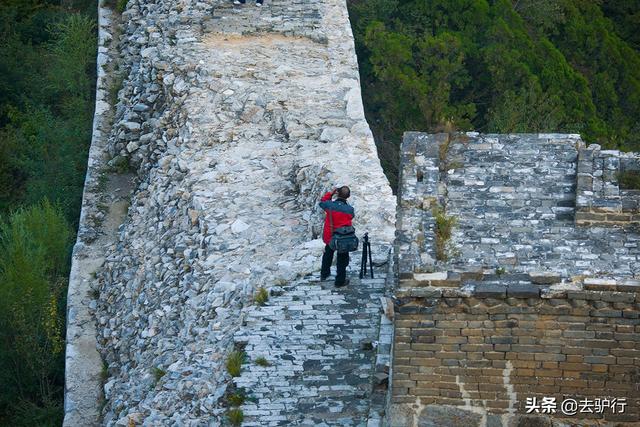
However, due to natural weathering and human damage, Jiao Ao Great Wall is the most severely damaged section among many wild Great Walls. Relevant departments have been committed to restoring this section, hoping to leave this precious national cultural heritage for future generations.
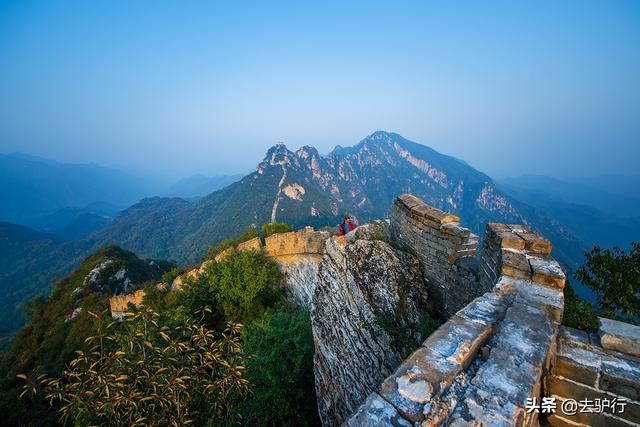
Due to its steep terrain, the restoration work has progressed slowly. The restoration materials, such as bricks, are often transported piece by piece up the mountain. We once saw a news report stating that the workers repairing the wall used donkeys to carry baskets of bricks to the summit of the majestic mountains.
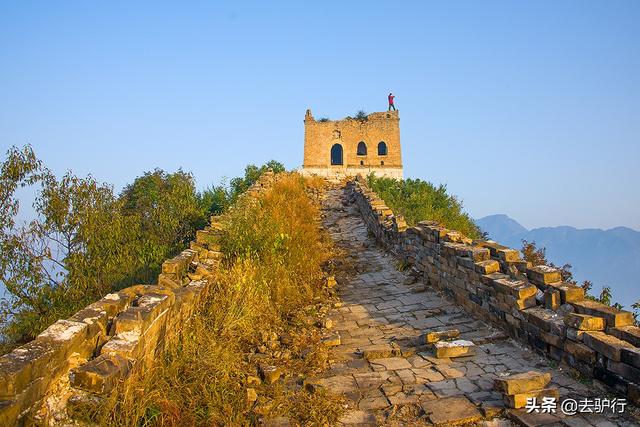
Even more difficult is the fact that, due to lack of supervision, some tourists secretly steal bricks as souvenirs. Some tourists even vandalize the wall today. The arrival of tourists also creates obstacles and troubles for the restoration work.
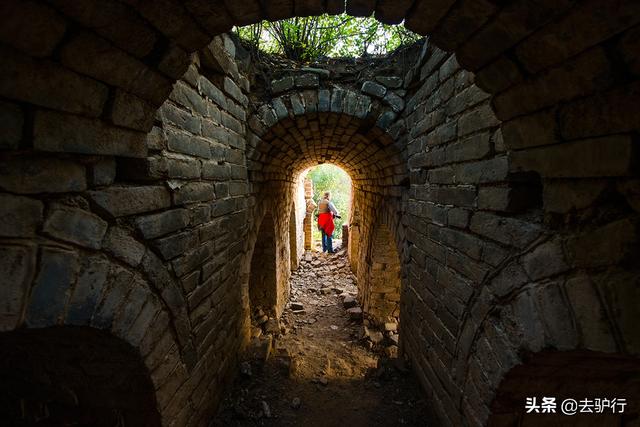
Currently, 2 phases of Jiao Ao Great Wall have been restored, and the third phase is expected to be completed around 2020. This Great Wall, which embodies the hopes of countless tourists and photographers, may soon be restored to its former glory.
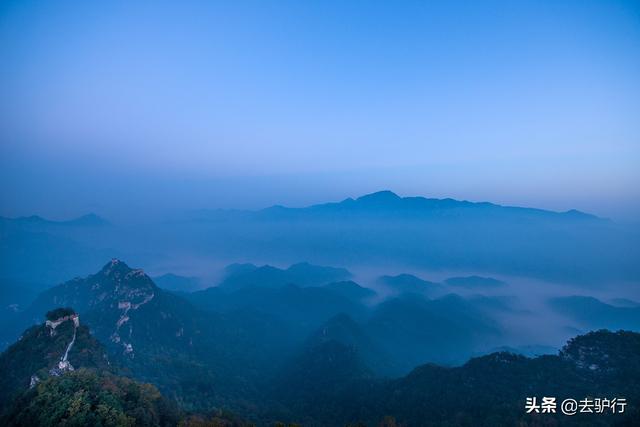
Note: The picture is a photo taken by photographer Qiyi’en with exclusive permission for travel and use, prohibited from and reproduction.