Traveling by High-Speed Train: Spending the Same Money, But Significantly Longer Travel Time
As the national high-speed rail network continues to improve and upgrade, many travelers and business people have naturally chosen high-speed rail as their first choice, with punctual times significantly faster than ordinary trains, and convenient point-to-point service eliminating the hassle of airport transfers, especially for journeys of around 1,000 kilometers or less, high-speed rail is becoming increasingly advantageous.
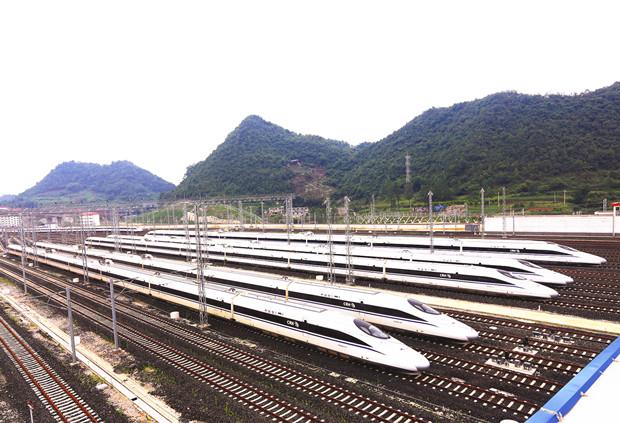
But did you know that when choosing a train, it's not just about looking at 'G' or 'D' prefixes, but also about selecting the seating class? With the parallel operation of various railway bureaus and changes in passing stations and the launch of new trains along various routes, you might find the travel time can differ by nearly double for the same amount of money.
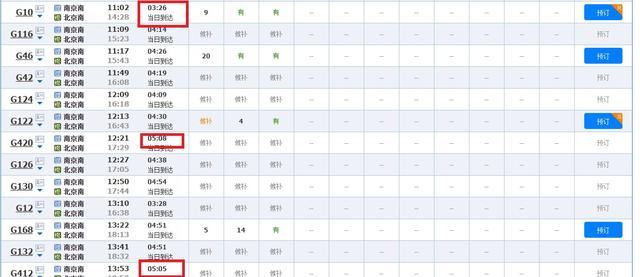
For example, the current most profitable high-speed rail route, Nanjing South to Beijing South, the fastest Fuxing Hao train can be 2 hours faster than some almost station-stop G-series high-speed trains, and the ticket price is the same. If you were to choose, here's a little tip: generally, besides looking at the specific departure times, the number of digits in a train's number indicates its longer mileage or higher grade within the same route. Especially for trains that depart from major stations or intermediate stations on the dot, choosing such trains is likely to be relatively faster. For example, on the Beijing-Shanghai line, G1/2, G3/4, G5/6, G13/14 are likely to be faster than three-digit trains like G135/6 or G205/6. However, on some ultra-long routes, such as from Shanghai to the Guizhou region, and some newly opened lines, it's important to check the actual running time.
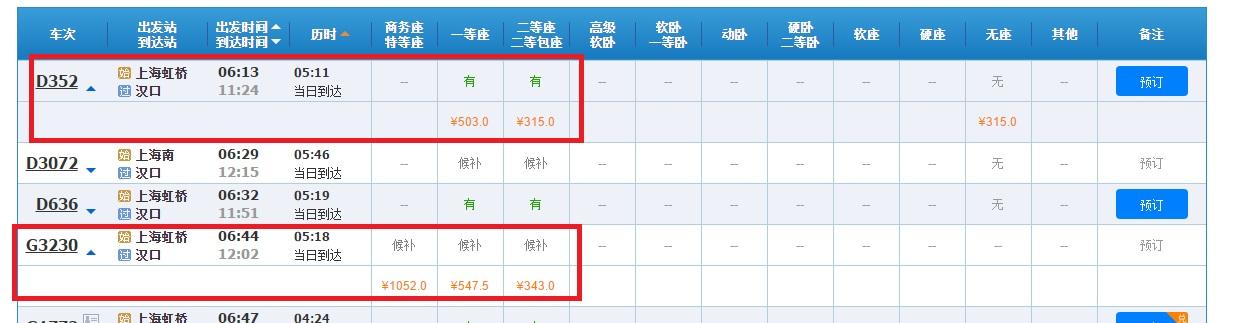
In addition to the difference in running time, on lines like the Han-Hong line, many D-series high-speed trains actually run faster than G-series trains, while the ticket price is lower, which is related to the actual running route and the arrangement of stations. This situation often occurs in shorter route intervals, such as Nanjing South to Hangzhou East, Wuhan/Hankou to Hefei.
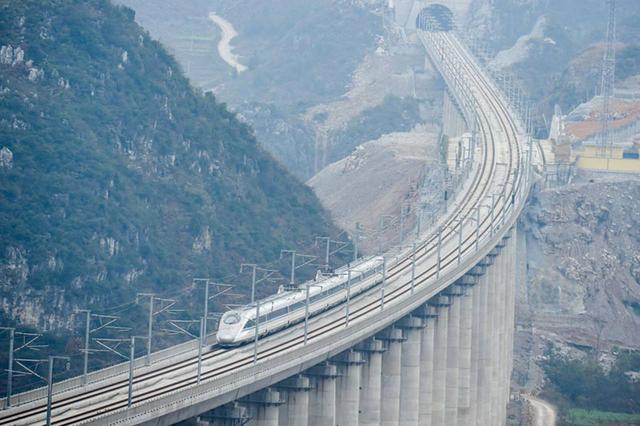
The above is some tips for choosing high-speed rail trains. Hopefully it can help you with your travel journeys.