Nanjing's First World Cultural Heritage Site, Having History of Over 600 Years, is a Great Place for Youth Activities and Flower Viewing
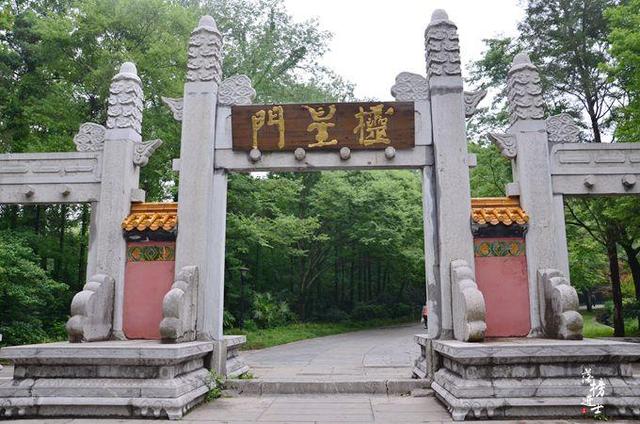
As a six Dynasties capital and a hundred years capital ten times over, Nanjing is a gathering place for Ming Dynasty culture, Republican culture, and Six Dynasties culture. Today, in the process of urbanization, the remnants of Ming Dynasty culture in Nanjing are few, and currently only the Ming City Wall, Ming Imperial Palace, and Ming Xiaoling Mausoleum can be seen.
Ming Xiaoling Mausoleum is located at the south foot of Jialing Peak in the south of Zhongshan Mountain in Nanjing, with a history of more than 600 years. The founding emperor of the Ming Dynasty, Zhu Yuanzhang, and his empress Ma were buried here. Ming Xiaoling Mausoleum represents the highest achievements in Ming Dynasty architecture and stone carving art. The axis-aligned layout not only directly influenced the mausoleums of emperors and kings of the Ming and Qing dynasties, but also, to some extent, influenced the construction of Beijing's Forbidden City. People who have visited the Forbidden City can always find familiar points and echoes in Ming Xiaoling Mausoleum.
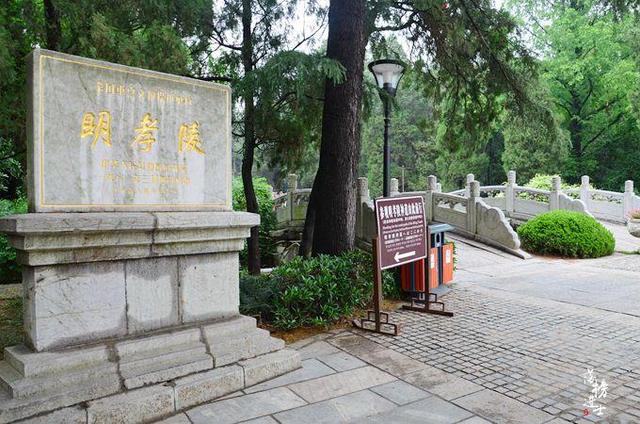
Ming Xiaoling Mausoleum is vast in scale, with magnificent buildings and a mausoleum area of 22.5 kilometers. The Hall of Offering is magnificent, and the pavilions are magnificent. Half of the seventy temples of the Southern Dynasty were enclosed within the forbidden garden.
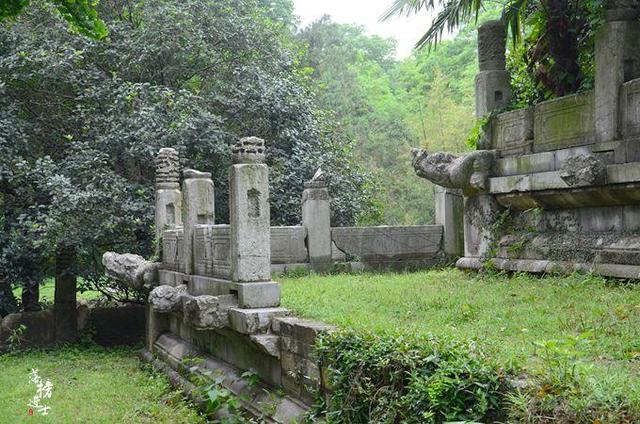
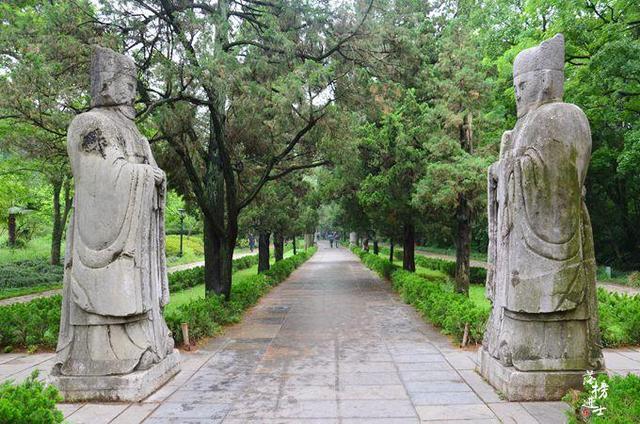
The emperors of one generation rest here. The long corridors of the Ming Xiaoling Mausoleum are winding and undulating, with stone lions, horses, elephants, xiezhi, camels and kirin, silently standing or lying in the depths of history.
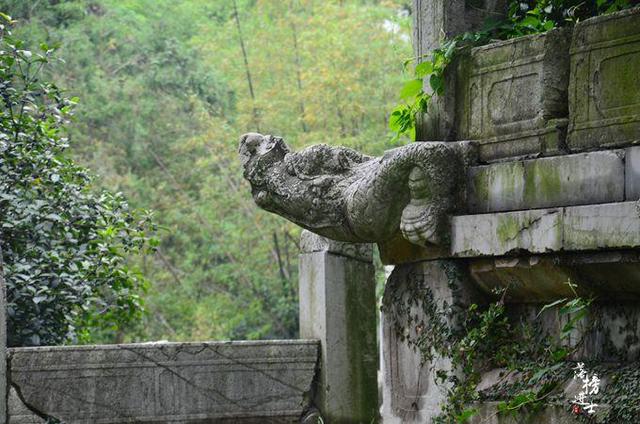
During the Kangxi reign of the Qing Dynasty, the emperors Kangxi and Qianlong both personally visited to pay their respects. Later, the Xiaoling Mausoleum area became an important battlefield for the Taiping Heavenly Kingdom and the Qing army, and almost all wooden structure buildings were destroyed. Despite this, the vast building scale and exquisite stone carvings and stone monuments still have a strong impact.
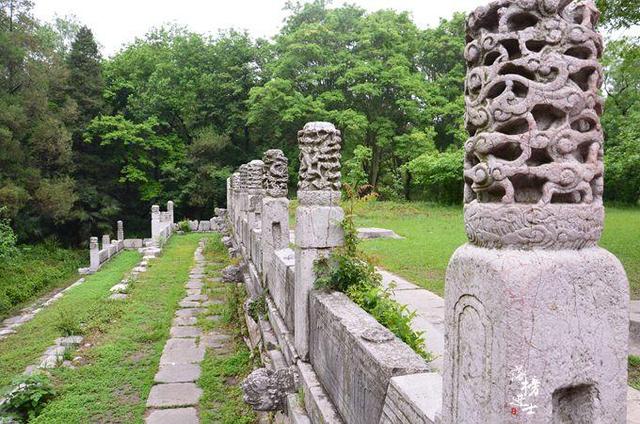
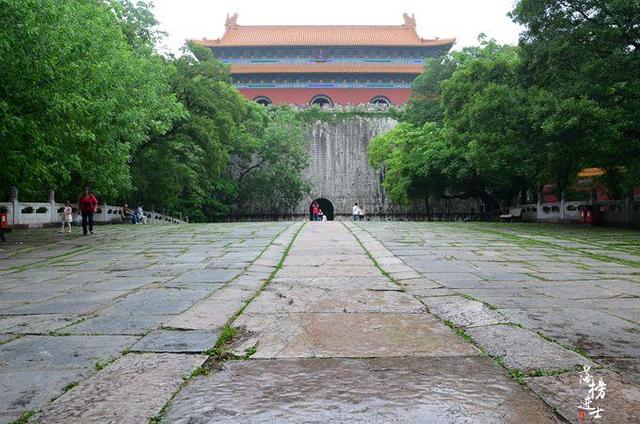
The Xiaoling Mausoleum Avenue is built according to the terrain and mountain shape, with a winding and undulating layout. Stone figures, stone lookouts, stone pillars and officials and generals are placed at the nodes of each section, creating an atmosphere of solemnity and dignity.
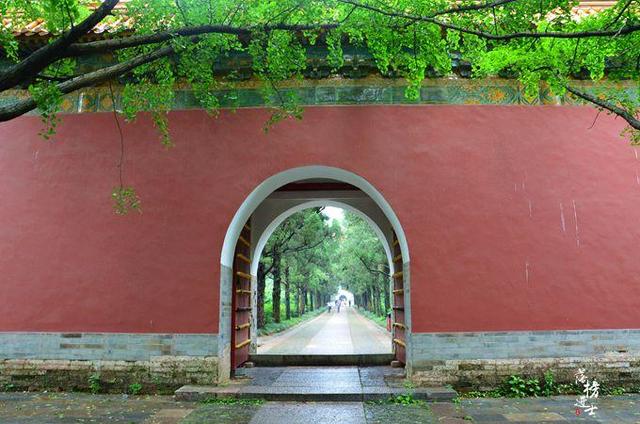
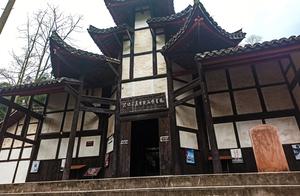
Facing the Guanlu Temple with green trees, red walls and yellow tiles, the colors are particularly beautiful. Today, the Xiaoling Mausoleum is like an elder, witnessing countless important moments, rise and fall, glory and shame. Still waters run deep, fame and fortune fade away, leaving only deep history.
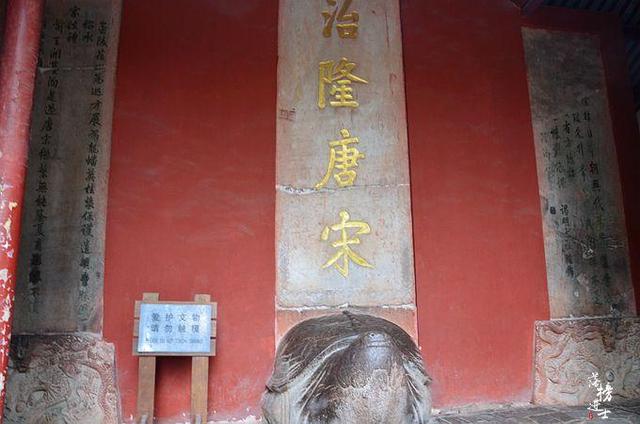
'Zhi Long Tang Song' ('Reign Like the Tang and Song Dynasties') were inscribed by the Kangxi Emperor during his third visit to pay respects in 1699, praising the founding emperor of the Ming Dynasty, Zhu Yuanzhang. Amidst the mottled and dilapidated eaves and walls, there is a sense of heaviness, and light and shadow are submerged in the years of history. Right and wrong are left for posterity to evaluate.
The stone statues are like bricks and stones, forever remaining in the space-time. (Welcome you to like and leave a message in the comment area, more wonderful content, please pay attention/lost candidate
“”——(/