‘Look North to the Great Wall, Look South to Panmen,’ Explore Suzhou’s Oldest Water and Land City Gates
As a famous tourist city in China, Suzhou has attracted a large number of tourists every year, and it has many historical sites, especially the four famous gardens, the well-known ancient towns, and museums.
To witness the magnificent Suzhou City, known as the ‘Paradise on Earth’, there are many famous historical sites in Suzhou, and people often choose to visit these four famous gardens, several renowned ancient towns, and museums.
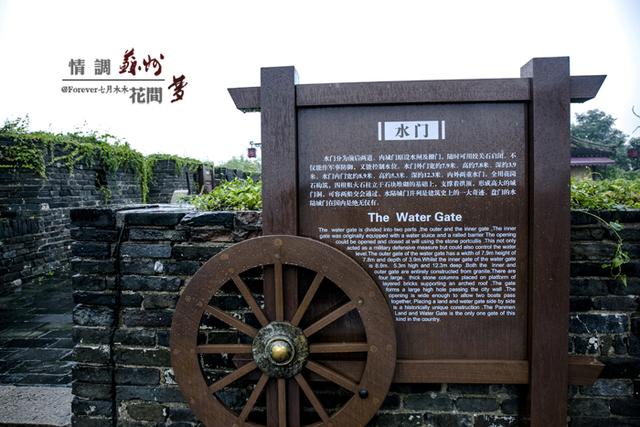
Currently, the only water and land combined ancient city gate in China is Panmen.
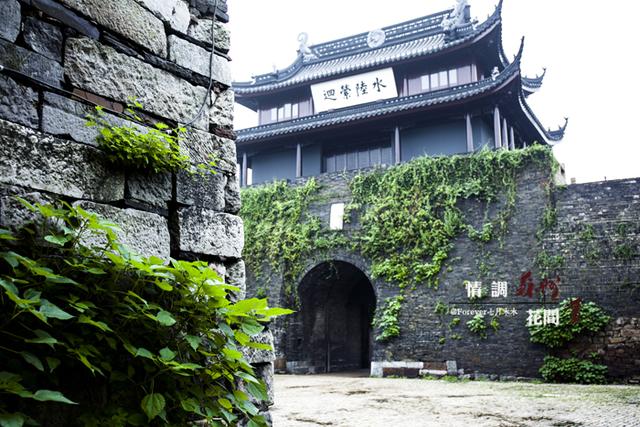
Old Suzhou has many city gates, but after the Liberation, Suzhou's ancient city walls, except Panmen, Xumendan, Jinmen and parts of the walls, were gradually dismantled. Among these city gates, Panmen is the best preserved.
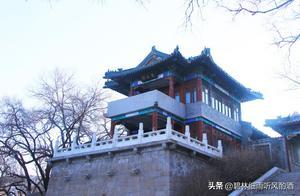
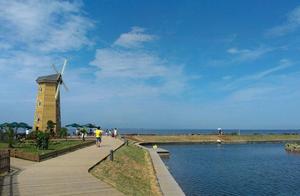
Rui Guang Ta (Ruiguang Tower)
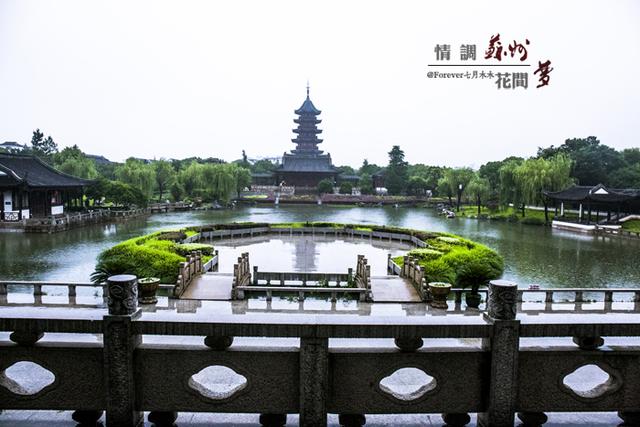
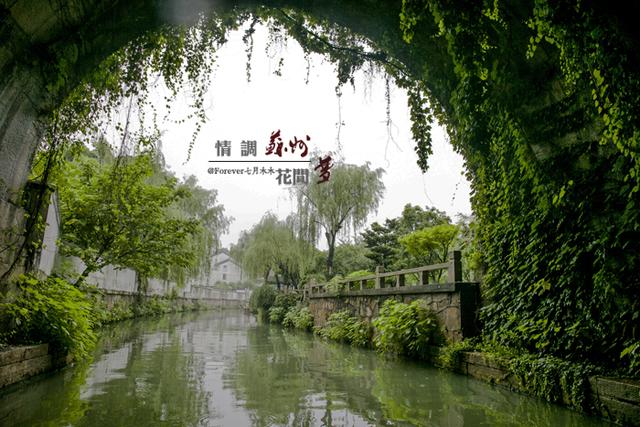
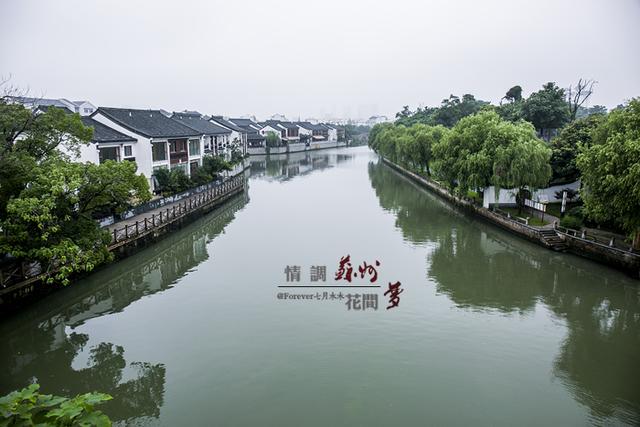
It was once an important transportation hub in Old Suzhou, the Grand Canal surrounds the city wall, and when it rains, a visit to Panmen Scenic Area is quiet and few tourists come. Standing in front of Rui Guang Ta, one suddenly has a feeling of crossing over into another time.
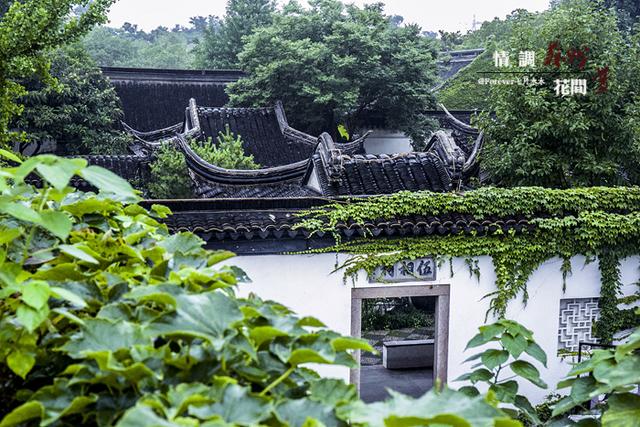
'Panmen' is a water and land combined city gate, and it is known as ‘Looking north to the Great Wall, looking south to Panmen.’
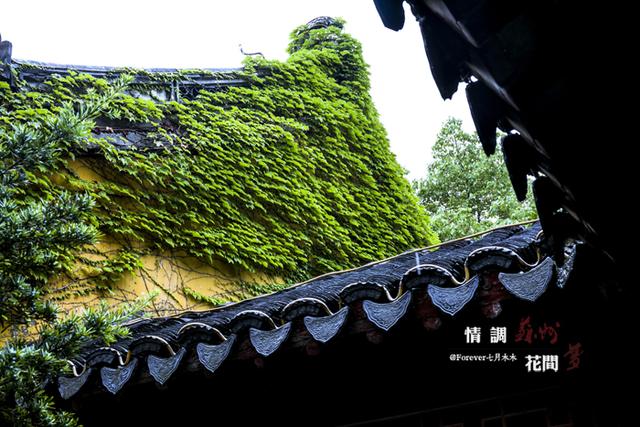
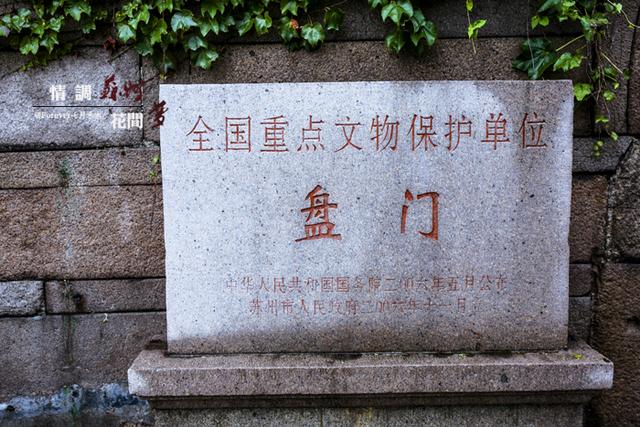
At the time when Wu Zixu built the new city, he said, ‘I taste water and earth, like heaven and earth,’ and built the largest city in the world at that time on the Jiangnan Plain north of Gu Su (Gusu). The city’s circumference was 28 miles, and it had eight gates. All eight gates were both water and land gates. Only Panmen was well preserved.
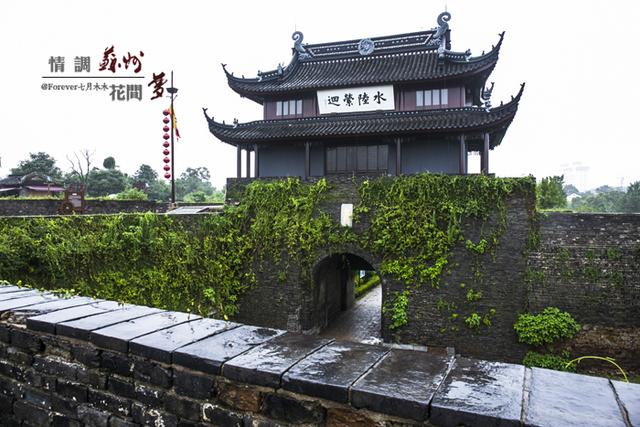
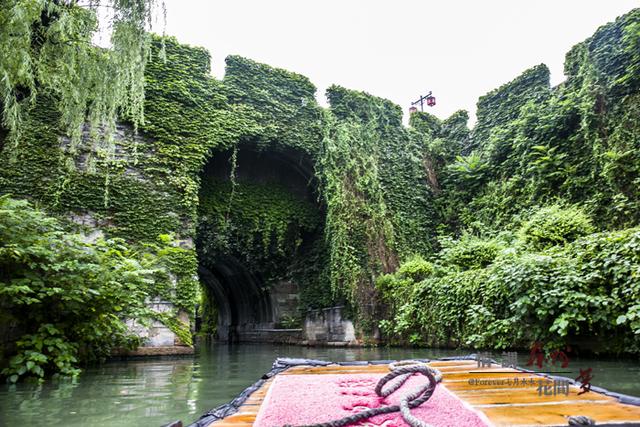
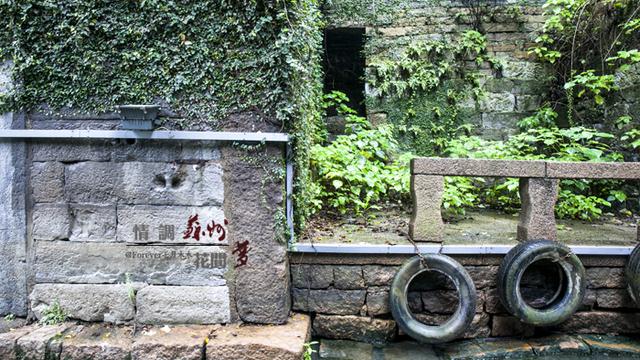
'Panmen’ is a water and land combined city gate, and its land gate and water gate are both two gates, forming the land and water cities. The land city is a rectangular courtyard, 40 meters long and 30 meters wide. Standing in the land city, you will only think of one idiom: ‘Catching a fish in a pond.’ The water city is also a rectangular courtyard, 30 meters long and 5 meters wide. The city wall is steep and 8 meters high. On the two gates above the city wall, there are narrow passages for pedestrians with a winch to lift and close the city gate, which is a ‘Please enter the pond’ small fortress.
Panmen, which is a water and land combined city gate, was once neglected, but it has become the birthplace of Suzhou’s modern industry.
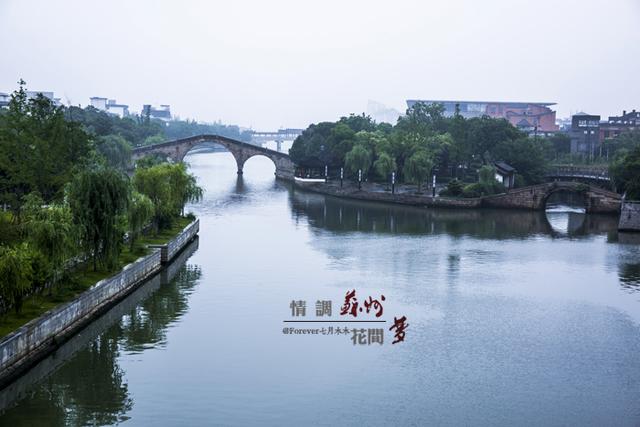
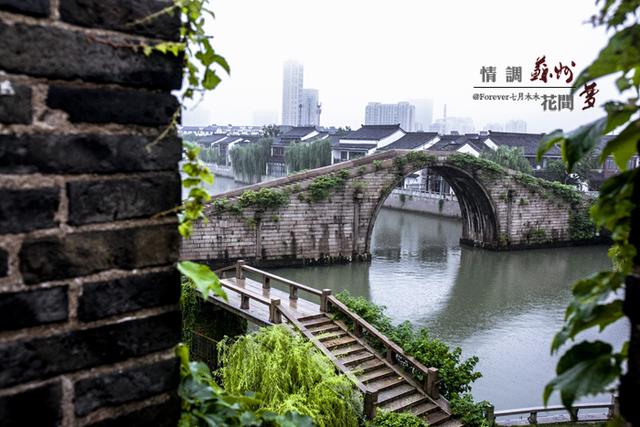
Wu Men Bridge accompanies Water Guan Bridge, one is round and the other is square, they are quite complementary, which makes me think of Zhou Zhuang’s Shuangqiao (Double Bridges) ‘Key Bridge.’ Wu Men Bridge is a round single-arch stone arch bridge, built in the Song Dynasty (1000 years ago) and rebuilt in the Qing Dynasty (140 years ago). The bridge’s arch is very large, with a radius of about 15 meters. The two ends of the bridge are paved with 49 steps of stone slabs with a width of 10 meters.
It looks very majestic and eye-catching. Standing on the top of Lituoqiao (Lituo Bridge), if you look down, you can see the city wall and pagoda, and the distant mountains and rivers.
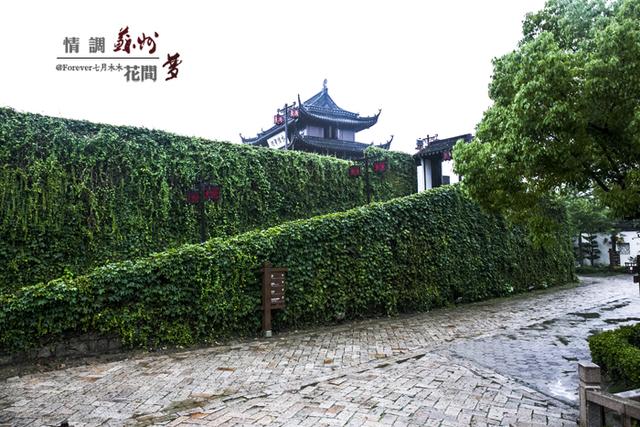
The scenic area, which is not very large, has two national-level key cultural relics protection units (Panmen City Gate and Rui Guang Ta) and one provincial-level cultural relic protection unit (Wu Men Bridge), which is a collection of humanities, history, and ancient sites.
Panmen’s surroundings have completed the transformation of the ancient city green belt, making it a beautiful landscape in the south of Suzhou City.
I am Qiuyu Mu Mu, a girl born in a small town in the Jiangnan region.
I love to pursue my dreams, and travel allows me to go further and further.
We are all just passersby in this vast world.
If we come, we should leave something behind.
At least, we can prove that we have been here.
This is Qiuyu Mu Mu’s travel perspective, welcome to follow.
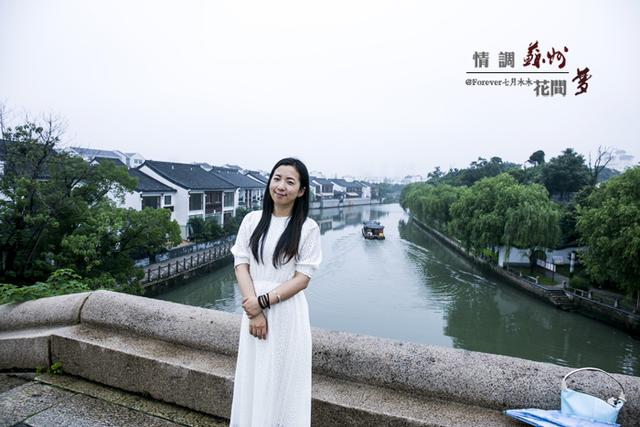
Forever Qiuyu Mu Mu