This Dish in Spring: A Family Recipe for Liver and Stomach Health
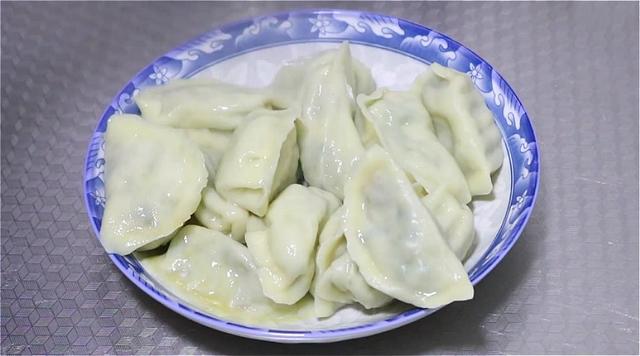
Chives, although available year-round, are most nutritious in spring.
In spring, everything is reviving, and the body's metabolism is vigorous. The liver, one of the five internal organs, is associated with spring's yang energy and its growth. During this time, the body's liver qi is strong, and eating chives is very beneficial for the liver. People have a saying: 'Eat chives in spring, smell pungent in summer.' Yang in spring and March, young chives are tender and fragrant, and eating them makes you want more.
Chives are particularly nutritious. They are high in water and low in calories, with a water content of up to 90%. They are also rich in dietary fiber, which has a significant effect on promoting bowel movements and preventing constipation. Furthermore, they are rich in vitamins, particularly vitamin C, carotenoids, and folic acid.
Let's now talk about the five benefits of eating chives:
1. Stimulate appetite
Chives contain aromatic volatile oils that promote appetite, so for people with poor appetite and lack of desire to eat, eating chives can help improve their condition.
2. Nourish the liver
Spring is the best time to nourish the liver, and chives are a suitable vegetable. The volatile essential oils and sulfur compounds contained in chives help to soothe the liver and regulate qi.
3. Promote bowel movements
Rich in dietary fiber, it promotes gastrointestinal peristalsis, which is helpful for constipation. Daily consumption can relieve constipation.
4. Brighten eyes and nourish skin
Chives contain a variety of vitamins, such as vitamins A, C, E and carotenoids. These components have an excellent antioxidant effect, which can slow down skin aging, and vitamin A can also protect vision.
5. Kill bacteria and relieve inflammation
The sulfur compounds in chives have antibacterial and anti-inflammatory effects in pharmacology, which can inhibit the activity of green rot bacteria, dysentery bacteria, Escherichia coli and Staphylococcus aureus. Therefore, eating chives regularly can also help prevent these bacterial infections.
Let's talk about the benefits and dietary restrictions of chives:
1. People with hand and foot heat, excessive sweating, and yang heat are not suitable for eating chives.
2. People who don't like spicy food and are prone to allergies should not eat chives.
3. Chives have a stimulating effect on the uterus, so pregnant women should not eat chives.
4. 'Compendium of Materia Medica' recorded: 'Excessive consumption of chives can cause drowsiness and blurred vision, especially after drinking alcohol.' Modern medicine believes that people with yang heat and heat symptoms should not eat chives.
5. People with pharyngitis, rhinitis with purulent discharge, and otitis media should not eat chives.
6. People with poor digestion or weak gastrointestinal function are prone to heartburn when eating chives, so they should not eat too much.
7. People with bad breath, mouth sores, and smoke-induced throat pain should not eat chives.
8. People with calcium deficiency, iron deficiency, and zinc deficiency should eat chives in small amounts. Chives contain oxalic acid, which can interfere with the absorption of these minerals and trace elements.
9. People who have just recovered from a serious illness should not eat chives, as they are weak and their digestive ability is poor. It is best to eat easy-to-digest foods such as rice porridge.
Restriction source: Baidu
Now let's share a home-style recipe using chives. It's simple to make and doesn't require complicated steps. Let's introduce the detailed making process.
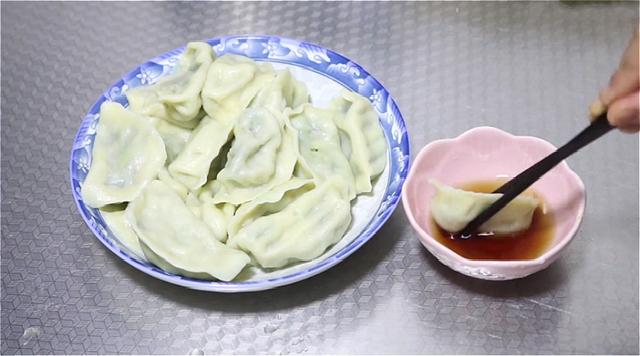
Required materials
Dough: 300g flour, 2g salt, 1 egg, appropriate amount of water
Filling: a bunch of chives, 2g alkaline powder, 30ml vegetable oil, 350g meat, 15ml fragrant oil, salt to taste.
Making steps
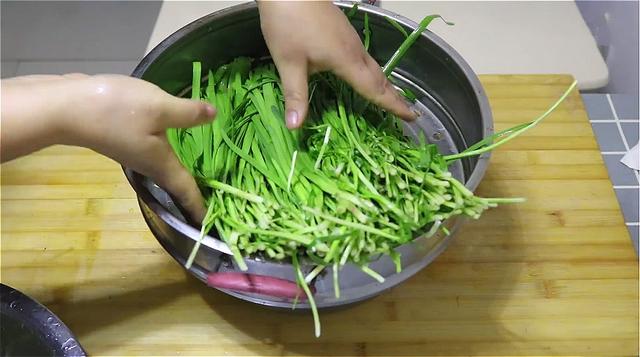
1. Choose chives with a thin head – they taste better when they're tender.
2. Cut the chives, wash them clean, and drain the water.
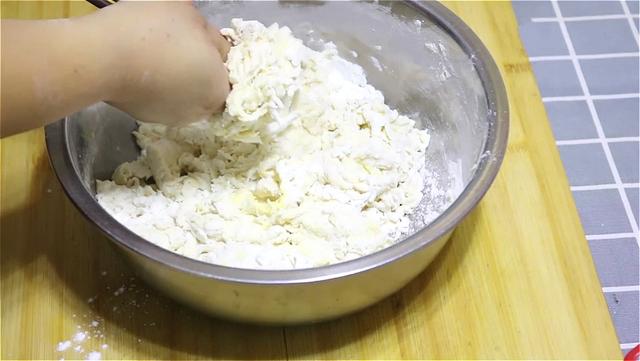
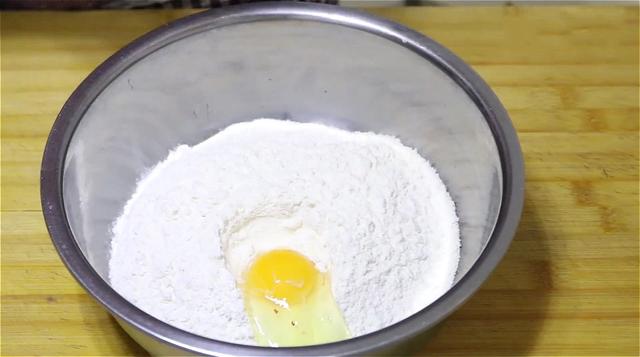
3. In a large bowl, add the flour, 2g salt, and 1 egg. (Adding an egg makes the dough less prone to cracking when making dumplings.)
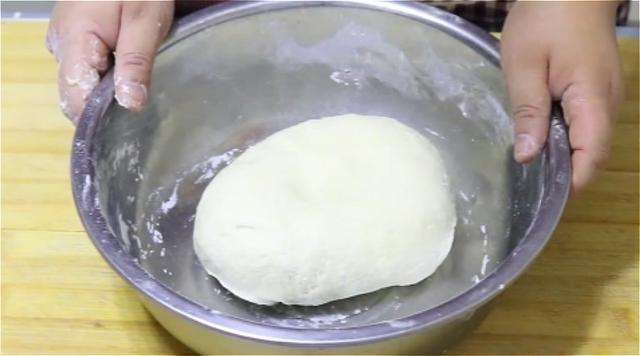
4. Mix the flour with cold water to form a dough, and pour in the water little by little while mixing. Make a large dough crumb.
5. Knead the dough into a dough ball, cover it with a damp cloth, and let it rest for a while.
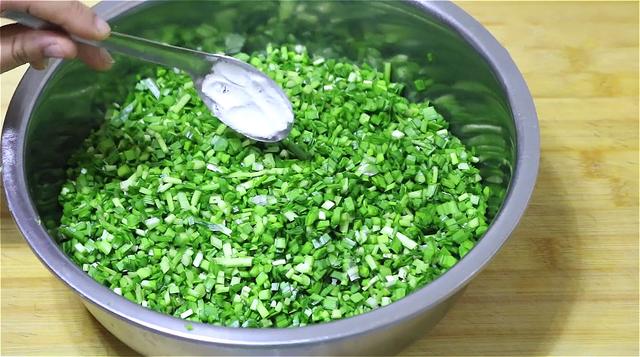
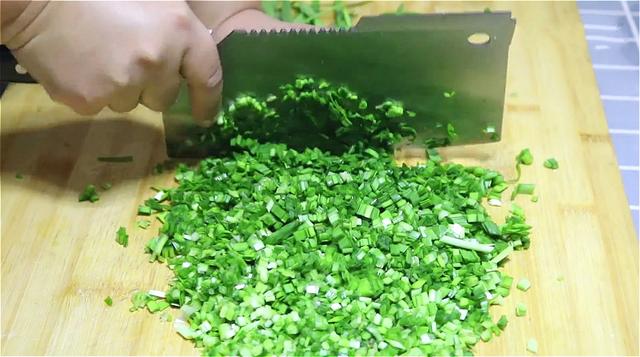
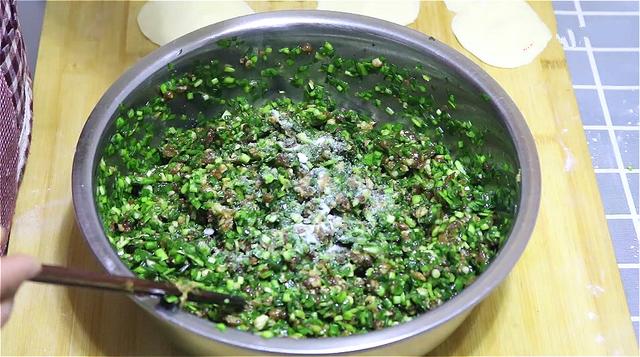
6. Cut the washed chives into small pieces – it's better to cut them finely, so that the flavor will be more intense when cooking. Add a little alkaline powder to the chives to prevent heartburn and aid digestion, and to make the chives green and vibrant.
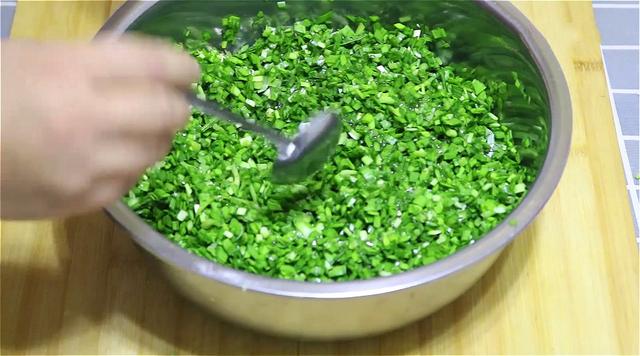
7. Add 30ml vegetable oil first to lock in the moisture of the chives, which prevents the dough from becoming soggy during stuffing.
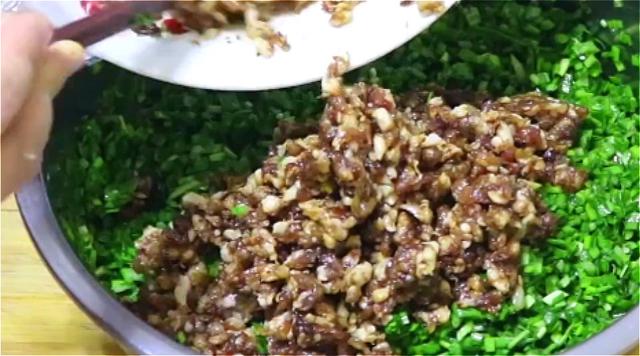
8. I've already prepared the meat – it's best to use meat, and I've added shiitake mushrooms and wood ear mushrooms to the meat. If you prefer vegetarian dishes, you can add eggs and mushrooms.
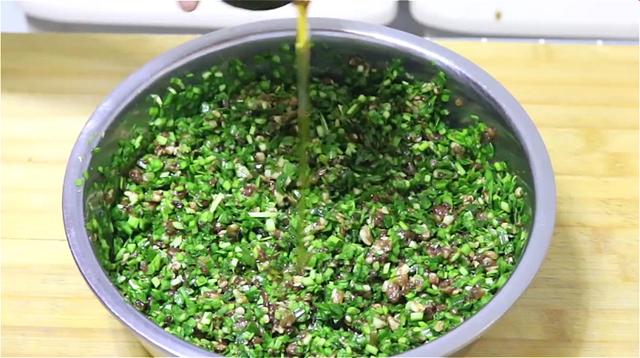
9. Add a few drops of fragrant oil to add fragrance – don't add too much, to preserve the original flavor of the chives.
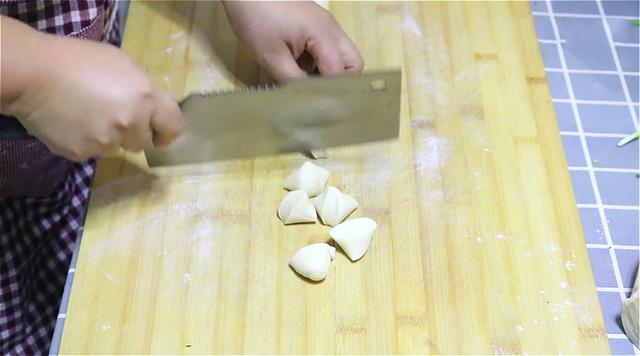
10. After kneading the dough, let it rest for a while, and then roll it into strips.
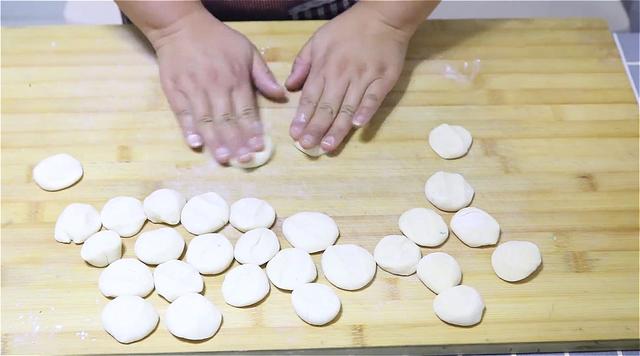
11. Divide the strips into small pieces.
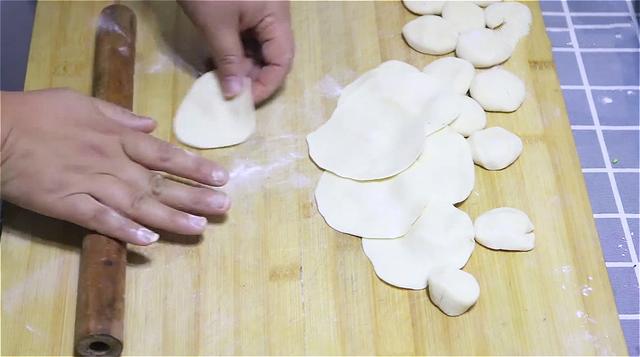
12. Flatten each piece with your hands.
13. Use a rolling pin to flatten the dough into thin sheets.
14. At this time, add salt to the filling – add it according to your taste, and stir well. Adding salt in advance will make the filling release a lot of moisture, so add it when stuffing.
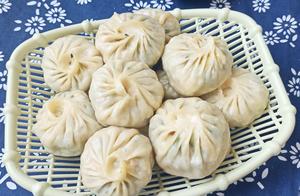
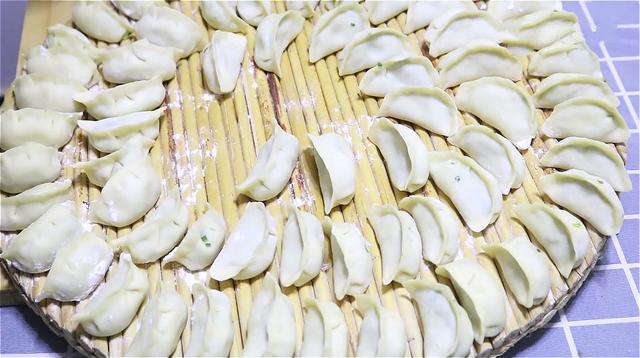
15. Stuff the chives into the dough and seal it.
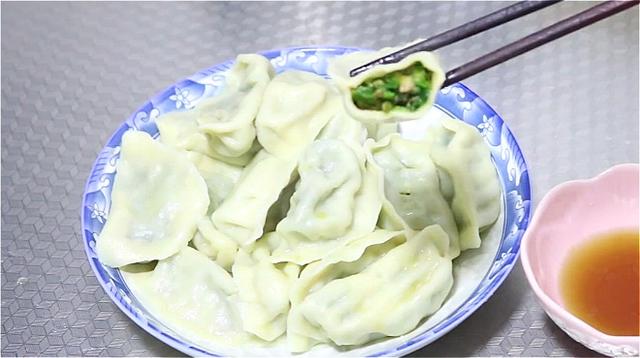
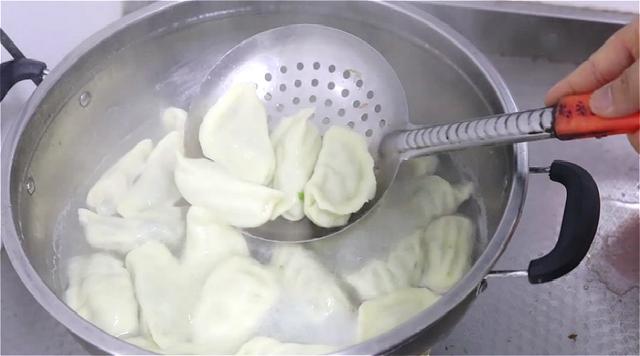
16. Bring a pot of water to a boil, add the dumplings, and cook for 2 minutes. When the dumplings float and enlarge, it means they're cooked.