Hand-Kneaded Toast (Pan Bread) – No Mixer, No Thermometer, Just Simple Techniques!

Ingredients
High-gluten flour......200g
Low-gluten flour......50g
Salt......2g
Sugar......30g
Milk powder......8g
Egg liquid......25g
Water......140g
Yeast......3g
Butter......25g

Steps
1. First, mix all the dry ingredients – flour, salt, sugar, milk powder, and yeast – evenly. Then, mix in most of the egg liquid and the dry ingredients, reserving a little egg liquid to activate the yeast later. The resulting dough will be slightly wet, and you don’t need to knead it at this point. Instead, place it in the refrigerator for 60 minutes to allow protein and water to fully integrate, creating coarse gluten strands, which will make it easier to develop a ‘windowpane’ dough later.
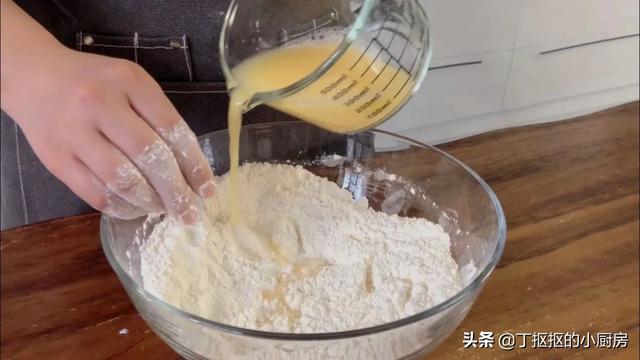
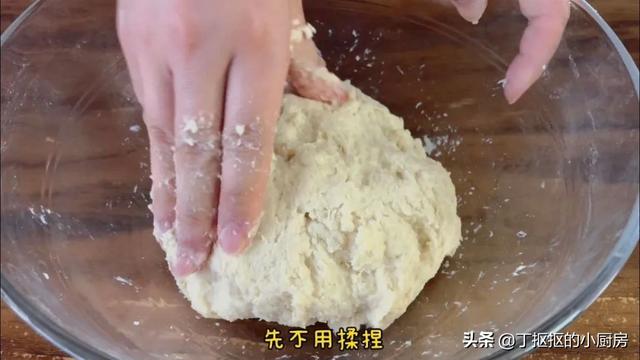
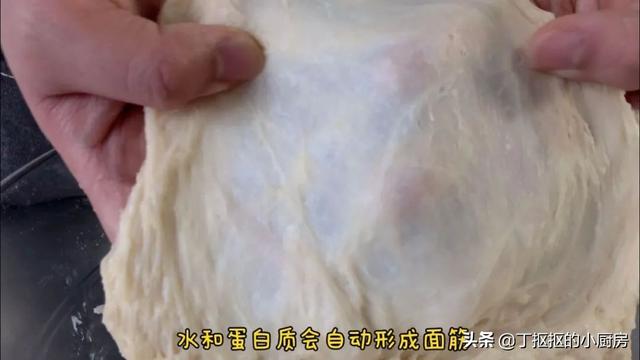
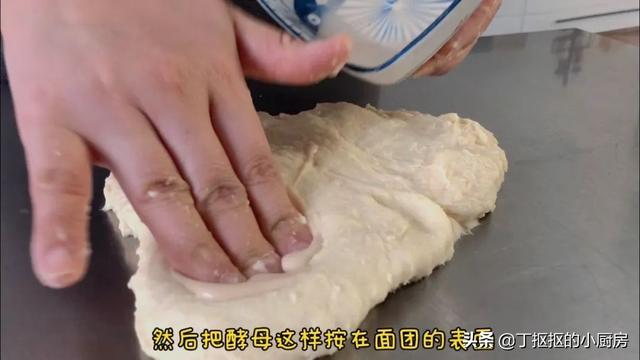
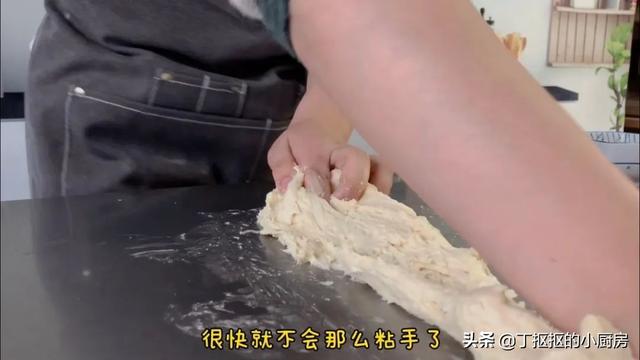
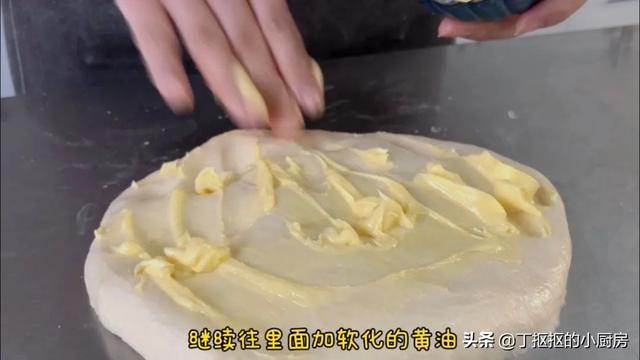
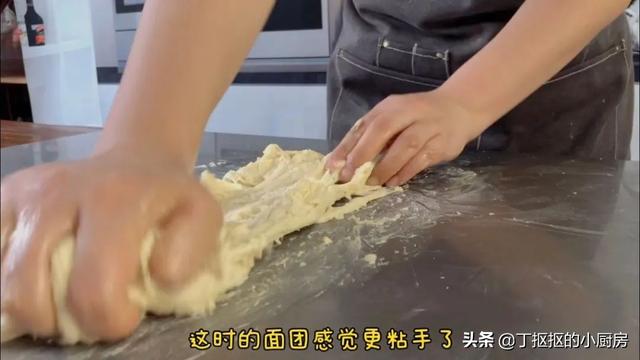
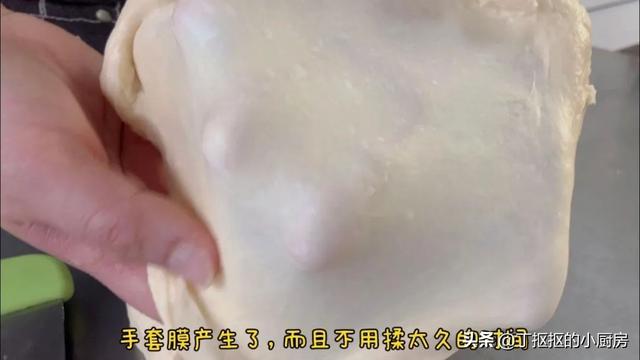
2. Mix the remaining egg liquid with the dry yeast, forming a paste. Then, work the dough like kneading clothes. It will be sticky at first, but continue kneading and pounding for about 10 minutes, and the dough will become less sticky. At this point, add the softened butter and continue to knead and pound for about 5 minutes, until a ‘windowpane’ dough is achieved. Even if you don’t achieve the most beautiful ‘windowpane’ dough, and it’s prone to tearing, as long as the tear openings are smooth and round, the difference won’t be significant.
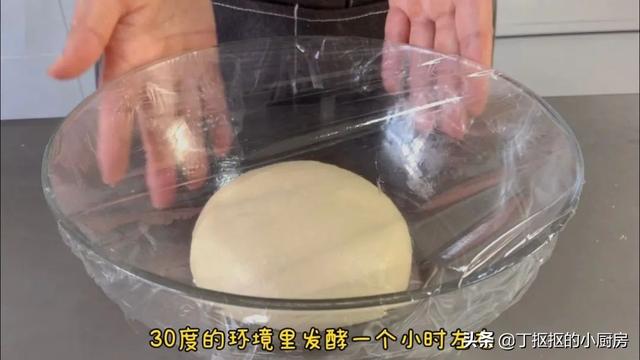
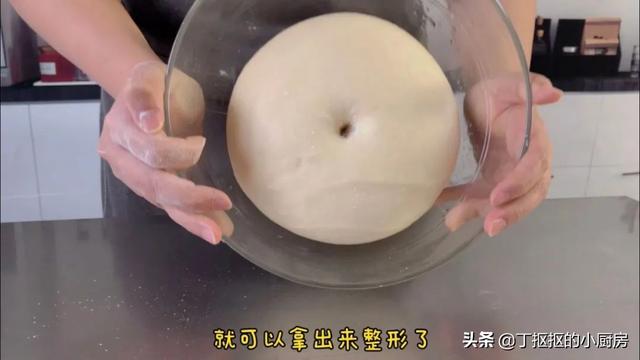
3. Knead into a ball, cover with plastic wrap, and proof for about 1 hour at 30-90 minutes, depending on the season. Primarily, observe the dough’s volume; it should expand to about twice its original size. Poke a hole in the center with your finger, and if it doesn’t collapse quickly, the dough is proofing well.
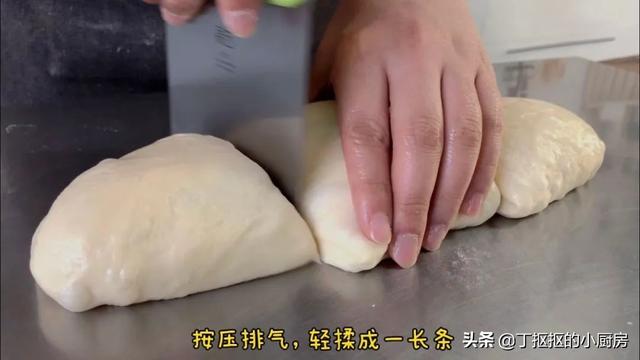
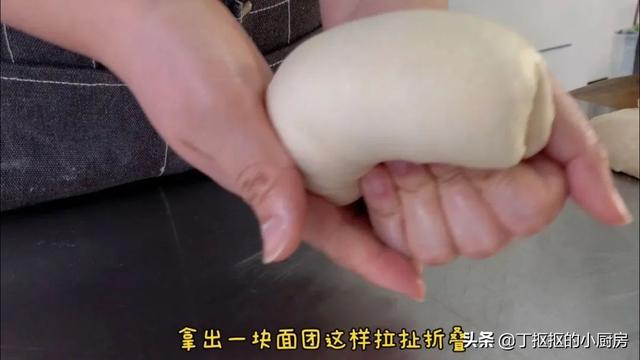
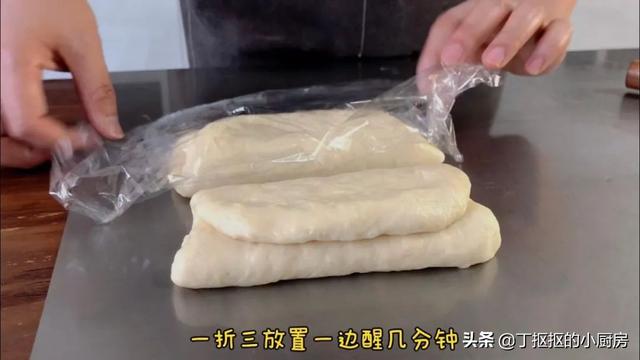
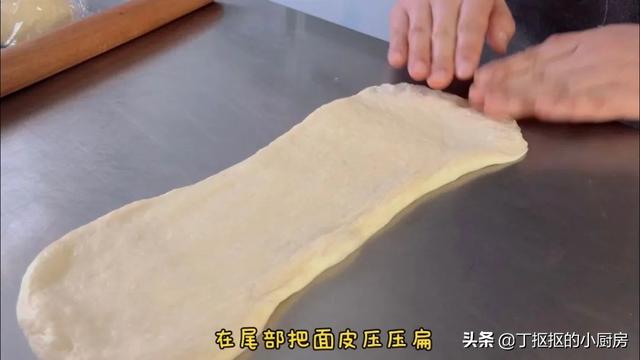
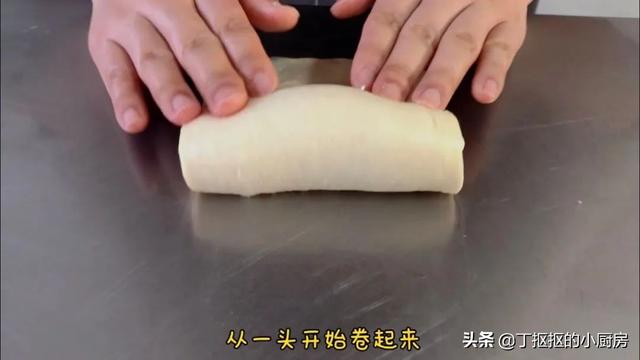
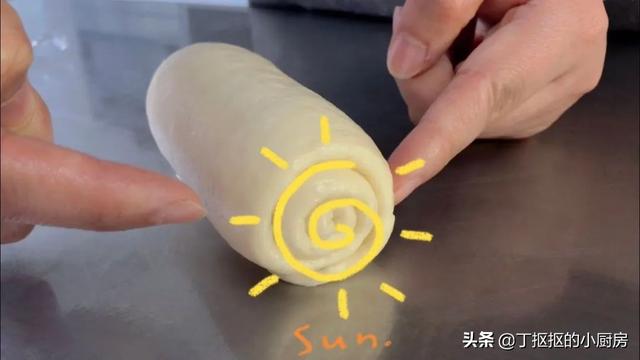
4. Gently deflate the dough, then knead it into a long strand. Divide it into 3 portions, stretch and fold the surface, which will make it smoother. Use the heel of your hand to gently round it. Then, press it flat with your hand and roll it into a long strand, and fold it in thirds, and put it aside for 15 minutes. Then, roll it out again into a long strand, while pressing and breaking larger bubbles. Flatten one end of the dough and roll it up from the other end, don’t roll it too tightly, 2.5 turns are the most perfect.
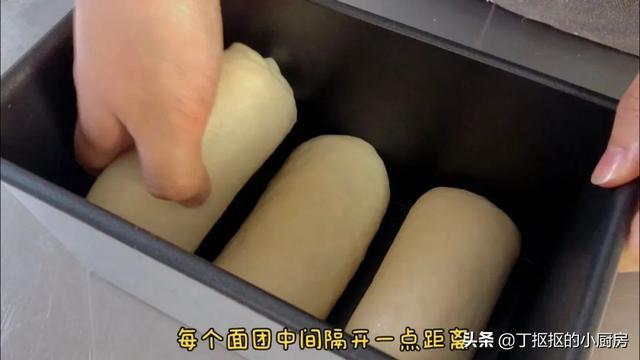
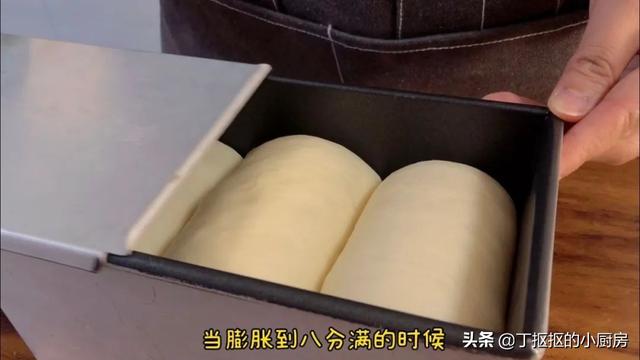
5. Place the three doughs with some distance, and put them in a bread box, and then put them in a 38-degree environment for proofing for 45 minutes, until the bread box is 80% full, and cover it with the lid.
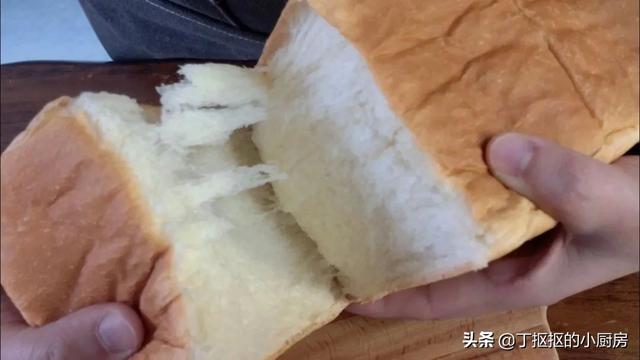
6. Preheat the oven to 180 degrees and bake for 40 minutes. Take it out immediately after baking, and put it on a wire rack to cool. Cool completely, and you can slice it or tear it off and eat it directly.
- Tips -
1. During the resting period, in summer, put it in the refrigerator to prevent it from getting too wet due to the high temperature.
2. It’s okay if the dough sticks to your hands; through kneading and pounding, it will gradually become smoother.
3. Activate yeast with egg liquid, which makes it easier to mix evenly.
4. If the final proofing uses the oven for insulation, the temperature cannot be too high, or the yeast will not expand.