Simple Sweet and Sour Lotus Root Stir-Fry – Crispy, Tender, and Sweet, the Best Dish for Family Meals
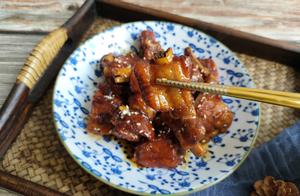
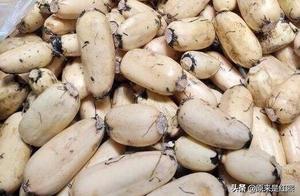
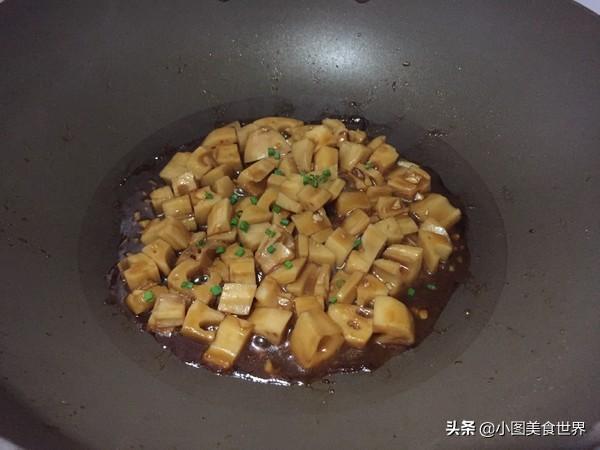
Lotus root is rich in iron, calcium and other trace elements, which can promote blood circulation, replenish blood and regulate complexion, achieving beauty and skin nourishment. Lotus has many cooking methods, whether it's simmering, stir-frying, deep-frying, boiling, steaming, mixing, braising, or (qiang - a cooking technique involving quickly sautéing in hot oil), as well as cutting it into strips, cubes, slices, chunks, or grinding it into paste, juice, etc. There are all kinds of ways, all schools of thought, and all flavors here. Recently, I like sour and sweet flavors, and I plan to make candied lotus root cubes, stir-fried, crispy and tender, with a rich flavor. Candied lotus root cubes are a traditional famous dish, with a delicious and palatable sweet and sour taste. Just by smelling it from afar, people who love sour and sweet food can't help but want to try it!

The simplest home-style recipe for candied lotus root cubes is incredibly delicious! It's sour and sweet, refreshing and crispy, perfect for accompanying rice and wine. Many friends encounter difficulties when making candied lotus root cubes – the lotus root is easy to stick to the pan and lacks crispness. Therefore, I'm going to teach you how to make this delicious and flavorful candied lotus root cubes. Let's learn together! It's also very popular to feed children. If you like it, give it a try!
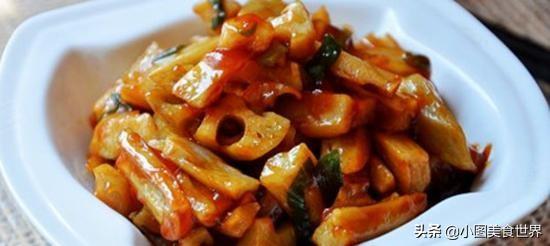
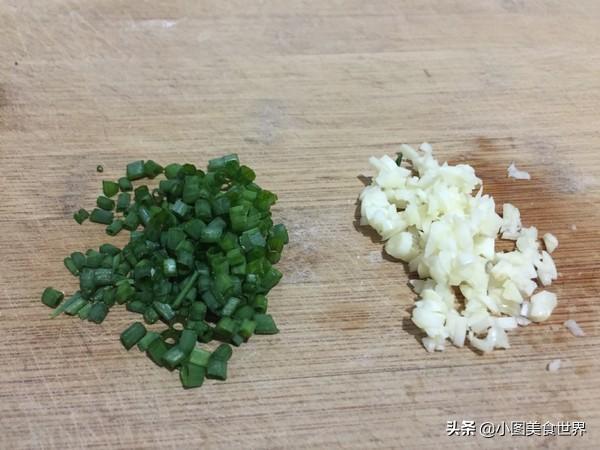
Ingredients for Candied Lotus Root Cubes: Lotus root 500g, Oil 2g, Salt 1g, Soy sauce 1 tablespoon, Tomato paste 3 tablespoons, Vinegar 1 tablespoon, Sugar 1 tablespoon, Starch 1 tablespoon, Green onion 1g, Garlic 2g
Candied Lotus Root Cubes Recipe:
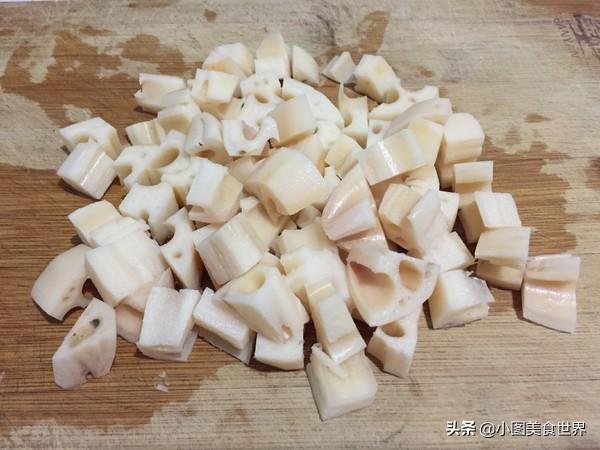
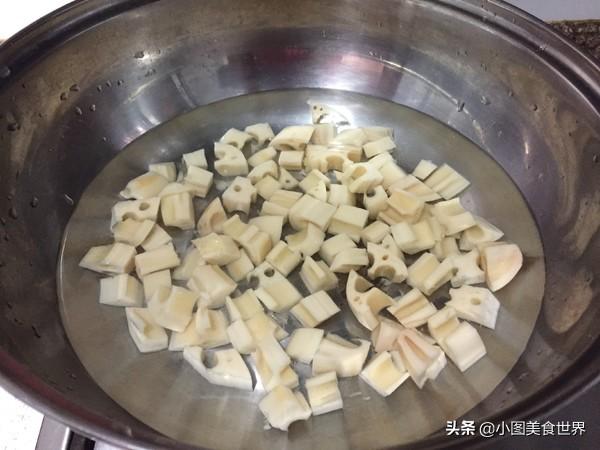
1Wash and cut the lotus root into cubes.
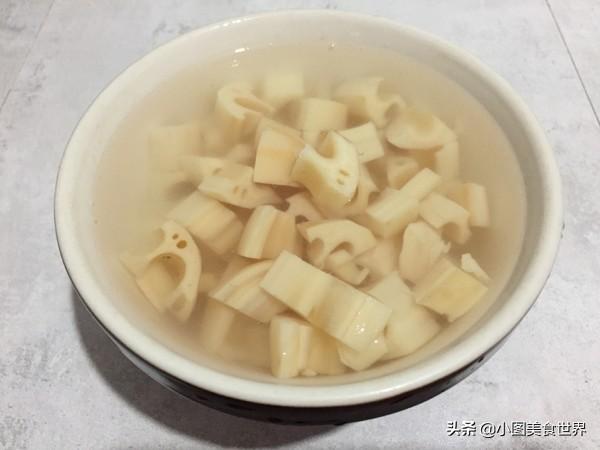
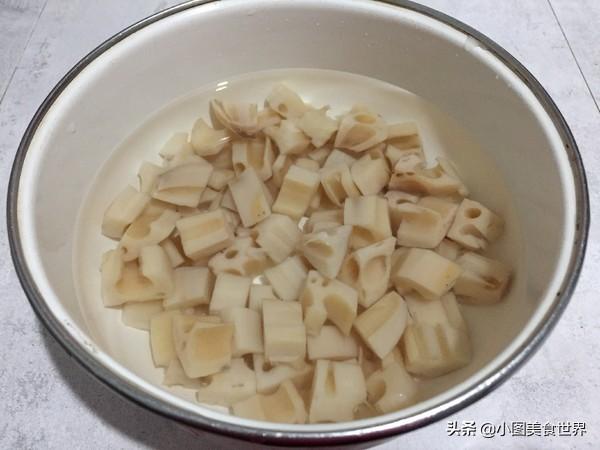
2Add a few drops of white vinegar to the water and soak the lotus root cubes to prevent oxidation if you don't cook them immediately.
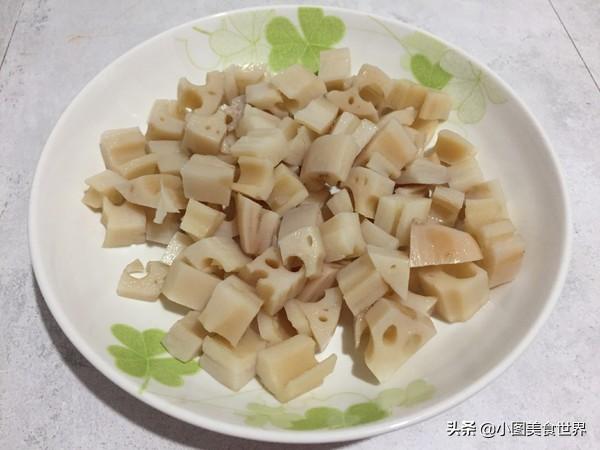
3When blanching the lotus root, it can remove excess starch, making it crispy to eat. This step is necessary.
4After blanching the lotus root, it's less likely to stick to the pan when stir-fried. Pass the lotus root cubes through cold water or ice water to maintain crispness.
5Don't overcook the lotus root cubes when stir-frying. Don't worry if they're still a little raw – you can eat them raw!
Tips:
1After cutting the lotus root cubes, if you don't cook them immediately, soak them in water and add a few drops of white vinegar to prevent oxidation.
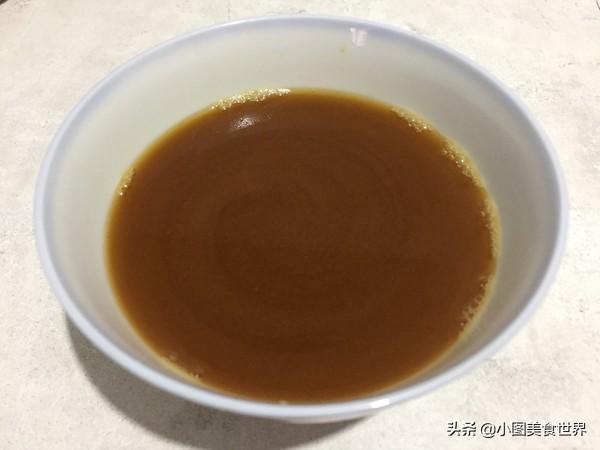
2Blanching the lotus root can remove excess starch, making it crispy to eat. This is a crucial step.
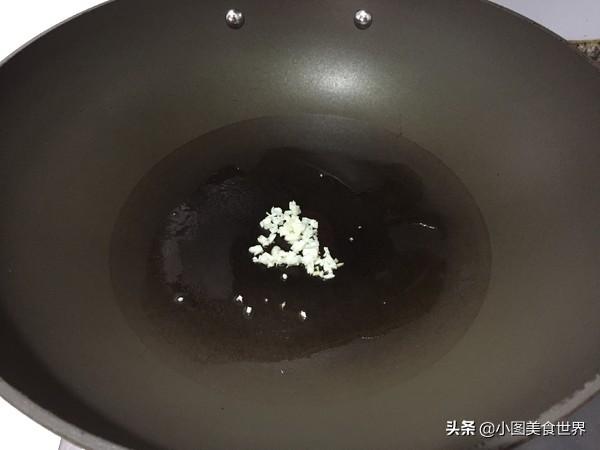
3Blanched lotus root is less likely to stick to the pan when stir-fried.
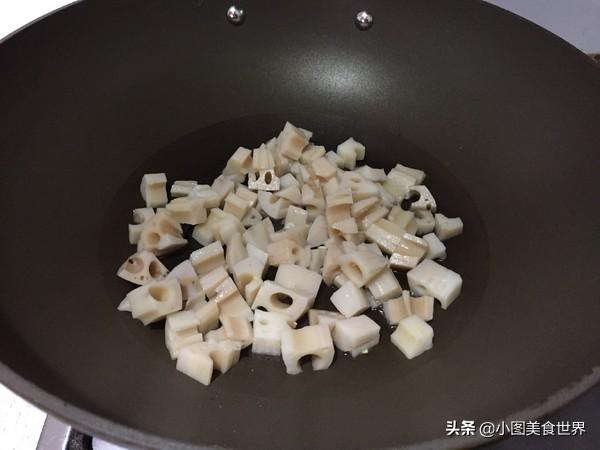
4Don't overcook the lotus root cubes when stir-frying, as they can still be a bit raw.
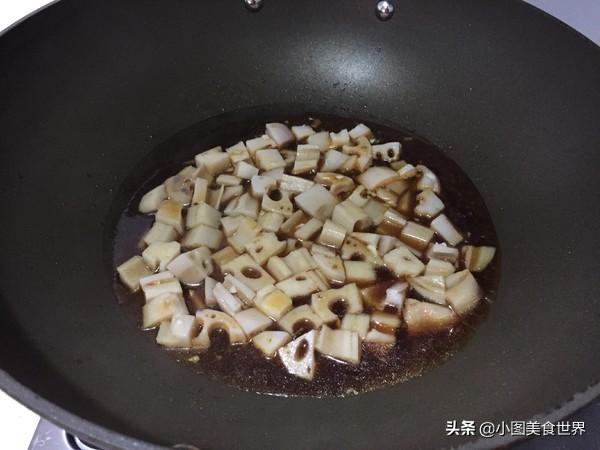
11
1
2
3
4