It's the Season for Eating Chinese Chives, and Correct Harvesting and Eating Methods are Important
In early March, with the return of spring, flowers blooming and plants sprouting, wild vegetables appear on the tables of ordinary people in rural areas. Most wild vegetables are best eaten in the spring, such as the underground folded ear root, the leafy fern vegetable, chives, and the tender buds and chives growing on trees.
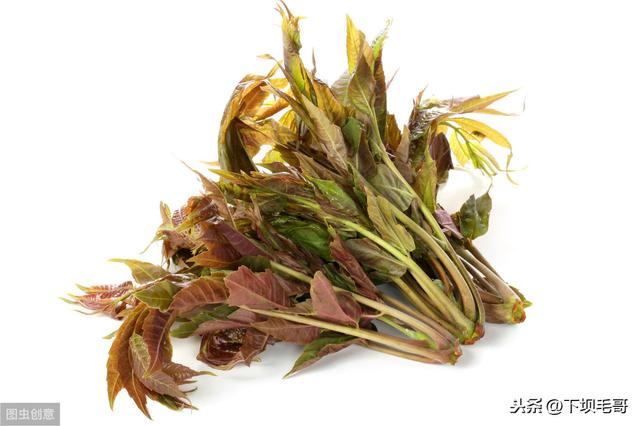
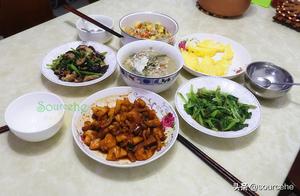
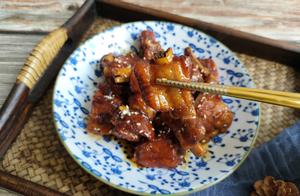
Two days ago, I picked a lot of chives from the tree in my backyard, ate two meals, a chive and egg dish, and a chive stir-fry with bacon. My 5-year-old son grabbed it eagerly. Chives are known as 'tree vegetables' and are common spring vegetables in our rural areas. For city people, it's rare to eat chives. In 2019, there was a 'chive freedom,' with prices reaching 200 per pound. Conversely, this year's chives have fallen a lot, even so, many people still sigh about its high price.
Every time I think of the taste of chives, it's the taste of my memory, especially for those who work outside and can't taste the fresh and delicious chives, which makes it more precious. Two days ago, I saw a news report online about an elderly man being hospitalized after eating a plate of chives, which is really regrettable. Although chives are delicious, health is more important. The correct harvesting and eating methods are crucial. As a native of the countryside who grew up as a cattleherd, here I share the correct harvesting and eating methods of chives.
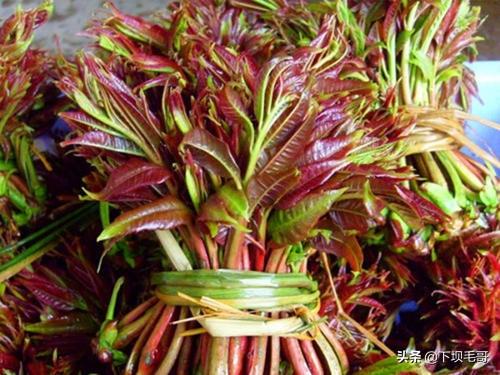
Correct harvesting methods of chives
The harvesting period of chives is generally from mid-March to early May (mainly sharing naturally grown chives), in rural areas, people who have lived in the countryside know that chives can be rotated and harvested, and the quality decreases with each harvest (texture and color) the first batch of chives is of the best quality, with a dark red color, tender meat and the best flavor. To rotate harvesting chives, the correct harvesting method is very important.
Harvesting precautions
Best harvesting period: After the spring sprout, due to regional differences, there is a time difference, mainly based on the length of chive buds, waiting for the buds to grow to 10-15cm is the best harvesting period. Wasting resources too early or too late will affect the texture and increase the nitrite content. The harvest time should be before 10 am, no later than 10 am, high temperature will reduce the quality;
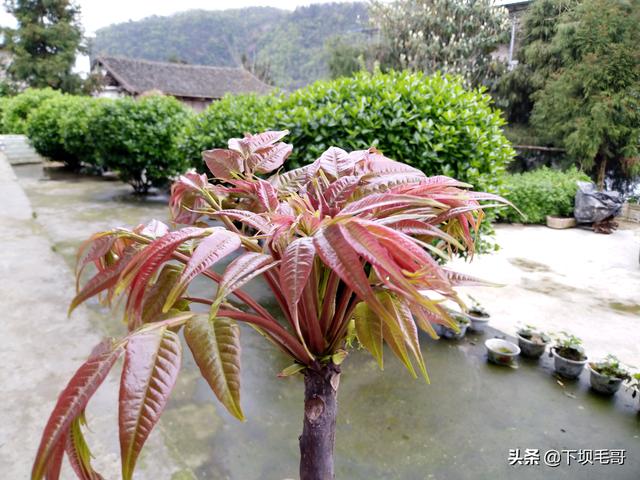
Harvesting method: For places with limited resources, rotation harvesting is a choice for many people, because after May 1st, no one will eat chives, to obtain rotation harvesting, each harvest should 'prune the heart', leaving 1-2 leaves, this will quickly grow new buds, about one week, if the harvest is a whole bud, it takes a longer time, usually about 20 days. The correct harvesting method is like pruning fruit trees, if you directly cut off the bud, it's similar to the short cut of fruit trees.
Correct eating methods of chives
Chives contain nitrite, which increases with the harvesting time and eating time, although it's a 'tree vegetable' that's good for health, for healthy eating and avoiding side effects, the correct eating method is important. Every spring when chives are in season, people often see people being hospitalized after eating chives. Like most wild vegetables, they must be blanched before eating. Cooking and eating process
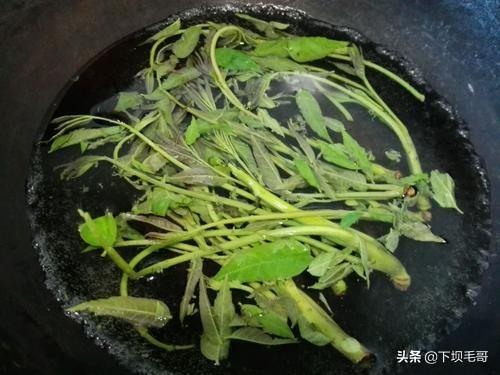
: Wash – Blanch – Rinse with cold water – Cook (mainly stir-fry) – Finished eatingImportant points
Blanching: When blanching, wait for the water to boil and then put in the chive buds, first put the leaf stem and then the leaves, the blanching time is about 3-5 minutes, so that the whole chive bud turns green. Especially the leaf stem, as it is thicker, it's best to use chopsticks or a spoon to hold it;
- Rinsing: After blanching, rinse with cold water, which can effectively reduce nitrite. Rinse with cold water so that it covers the chive buds. The blanching time is 2-5 minutes;
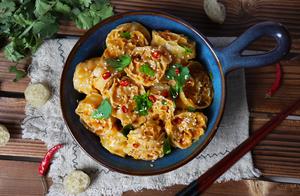
- Cooking: Chive eggs and chive stir-fry with bacon are common chive home-cooked dishes. When cooking, the time cannot be too short, because the chive buds have not fully cooked during blanching, when frying eggs, separate frying to maintain the best flavor of both ingredients and make the eggs fully cooked;
- Eating standards
- Generally, chive buds harvested that day are eaten, and after cooking, they are eaten with the meal. If purchased online, it should be blanched as soon as it arrives, and the blanched chive buds can be placed in the refrigerator for 24 hours. If it exceeds 3 days during transportation, it is not recommended to buy and eat. Another judgment standard is that when the chive buds are harvested, if they fall leaves or if they appear to fall naturally, they should not be eaten.
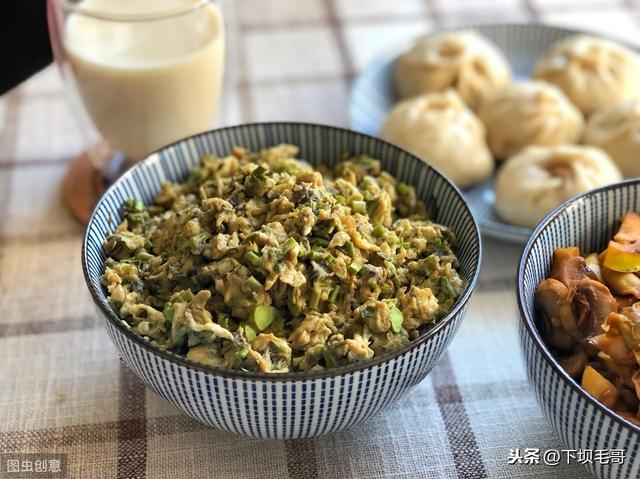
Chives are good, but you shouldn't eat them for three meals a day. Wild vegetables are called wild vegetables not only because of their seasonal nature, but also because they are not like vegetables, which are harmless to the human body. Occasionally choosing the correct method to try is also a fun and fresh way to add interest and freshness to life. When harvesting and eating chives, have you chosen the right method?