Fragrant Wine, Knowing Wine Affairs, How to Appreciate Baijiu?
The quality of baijiu is primarily judged through physicochemical testing and sensory evaluation. Physicochemical testing must meet national health standards. Sensory evaluation, also known as tasting, primarily relies on human senses such as eyes, nose, tongue, and mouth to assess baijiu's color, aroma, taste, and body. Baijiu is a food, and no precision instrument can replace human taste and smell judgments. Furthermore, human senses cannot be accurately represented by chemical indices, therefore, there is a sensory evaluation content in baijiu quality assessment.
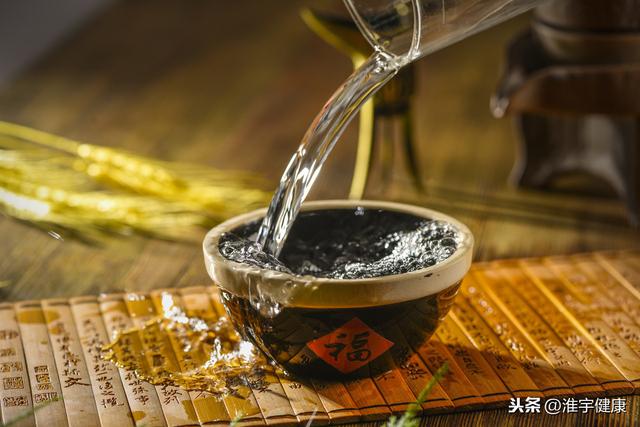
People feel fragrance is due to the effect of the olfactory epithelium in the upper part of the nose, when fragrant substances are mixed with air, they pass through the vomer bone through nasal breathing, forming a complex flow, of which a part reaches the olfactory epithelium. This area has yellow pigment called olfactory spot, which is about 1.7-5 square centimeters, composed of supporting cells, basal cells and olfactory cells. Olfactory cells are rod-shaped, one end is connected to the surface of the epithelium, immersed in the secretion of the epithelium, the other end is olfactory cell, connected to the nerve cell, through olfactory nerve transmits the stimulus to the brain center,
Basic concepts of taste
People can distinguish various tastes by tasting, because of the numerous taste buds on the tongue, the taste cells on the taste buds are stimulated and passed to the brain, then produce taste. The four tastes of sour, sweet, bitter and salty are commonly found in baijiu. The sweet taste is on the tip of the tongue, the bitter taste is at the back of the tongue, the sour taste is on the sides of the tongue, and the salty taste is in a certain part of the tongue. Therefore, when evaluating baijiu, it is necessary to fully utilize the tip, side and back of the tongue.
a. When the temperature is low, if baijiu appears cloudy precipitate, it can be placed in an environment of 15-20℃. If the turbidity disappears and the precipitate dissolves, it indicates that this turbidity is fatty acid and ester with high boiling point in the baijiu. When the temperature is low, the solubility is reduced and precipitates, when the temperature rises, it can be dissolved again. Drinking this wine is harmless to the human body,
b. Cloudy precipitate caused by improper addition of slurry. This phenomenon is common in loose baijiu. Baijiu addition refers to the addition of a calculated amount of water to baijiu to achieve standard alcohol content. If the hardness of the water added is too high, it can cause white cloudy precipitate. Improper addition of slurry is unclean, with an odor, and should not be drunk, and should be submitted to the food quality inspection department for testing,
c. Cloudy precipitate caused by external contamination. In the storage process of baijiu, if the container and pipeline used are not suitable, external contamination can cause cloudy precipitates, such as rust can cause yellow precipitates and iron taste. If the wine jar is lined with a wine paper, but not treated properly, it will cause brown cloudy precipitates, which is caused by contamination of wine paper. Now rarely use wine paper container.
(2) Aroma and Taste
a. If the aroma and taste meet sensory requirements, typical or prominent, then it is a good quality wine.
b. If there is an odor or smell, it cannot be drunk rashly, it may be a poor quality wine, and it should be submitted to the food quality inspection department for testing,
c. If the aroma is weak and astringent, and the aftertaste is bitter, and the body is weak, the reasons are mostly low alcohol content. If possible, the alcohol content can be measured with an alcohol meter to determine.
Good wine, please pay attention to the Taobao enterprise store