Xinjiang Travel: Most Ethnically Unique Souvenir Gifts - Aiderly Silk Price as Low as $50-60
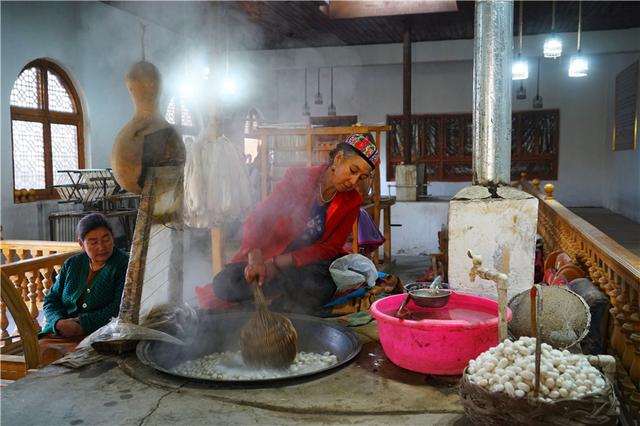
Xinjiang is a good place, with vast landscapes and abundant resources, accounting for one-sixth of the country's total area. When traveling to Xinjiang, people always pay more attention to distinctive souvenir gifts. In (Wutai), I saw many local girls wearing colorful and vibrant scarves, so I couldn't help but take a closer look. A local friend, noticing my interest, took me to a nearby handicraft workshop.
This workshop produces Aiderlyss (Aiderly Silk), which is the scarf that Xinjiang girls love to wear most. Aiderlyss (Aiderly Silk) is entirely handmade, from the initial unwinding of the silkworm cocoon to the final completion of the scarf.
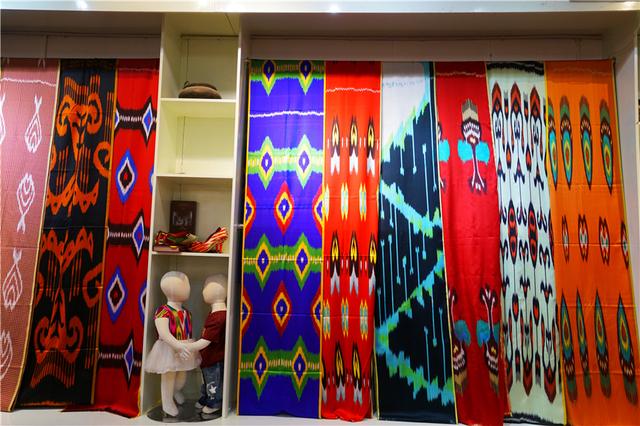
Aiderlyss (Aiderly Silk) has rich colors and diverse patterns, with strong color contrast, just like Xinjiang girls – bold and outspoken. The rich colors and delicate texture recreate the beauty of light and color in nature.
This purely handmade Aiderlyss (Aiderly Silk) produces hats and scarves that aren't expensive, costing between 50 and 60 yuan, and also became the most favorite souvenir bought by many foreign tourists visiting Xinjiang.
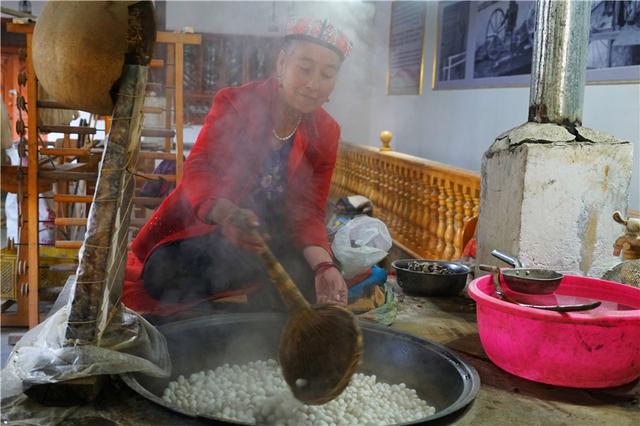
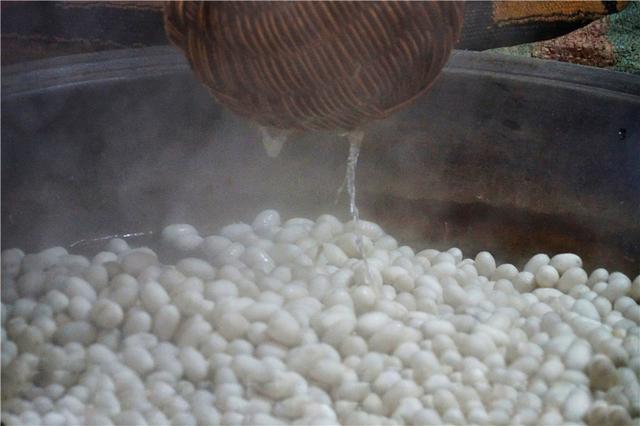
Holding a piece of silk product, we can see the vivid colors and delicate workmanship. When we visit the handicraft workshop to see the ancient reeling process, we will be full of curiosity about this ancient handicraft. One cocoon can extract about 1000 meters of filament, several strands of filament merge into raw silk. The process of extracting silk from cocoons is called reeling.
Why does Aiderlyss (Aiderly Silk) originate in Wutai and continue to be popular among locals even today?
In ancient times, Wutai was a transportation hub on the Southern Silk Road and an important gathering place for silk. In ancient times, it was the 'Silk City' of Western Regions. Large quantities of Chinese silk were mainly transported to Central Asia, the Middle East, and countries along the Mediterranean coast through the Southern Silk Road.
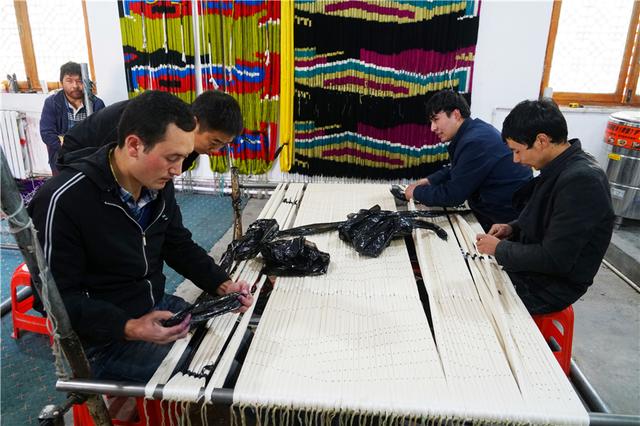
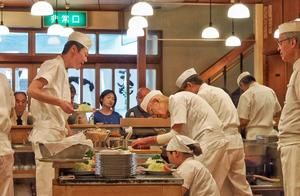
During the visit, watching the local people operate skillfully made me admire their flexible techniques. I found that most of the workers in the workshop were men. The weaving and dyeing of Aiderlyss (Aiderly Silk) is extremely complex and meticulous, the weaving labor intensity is high, and all processes are completed by craftsmen's hands. Every process requires great patience and detail.
Because the raw materials are all made of mulberry silk, the products are soft, light and airy. Not only do local people in Xinjiang like it, but many tourists visiting to visit will also buy several pieces to use themselves or give to friends.
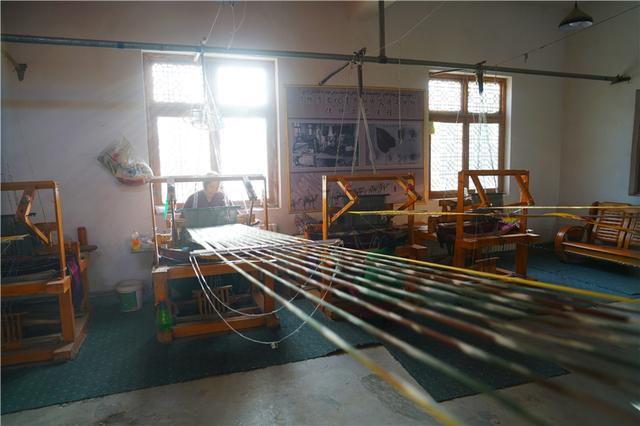
The Uyghurs have a long history of raising silkworms, reeling silk, and weaving. Kashgar and Wutai are the main mulberry and silk areas in Xinjiang. When chatting with local artisans in weaving workshops, the elderly have been working here for 52 years. Although he said this to me, his hands didn't slow down at all, he would only speak simple common phrases, telling me he had been to Beijing. Sunlight streamed in from the window, casting beautiful shadows on the silk. Watching the elderly's busy look, I was full of love for the charm of handicrafts.
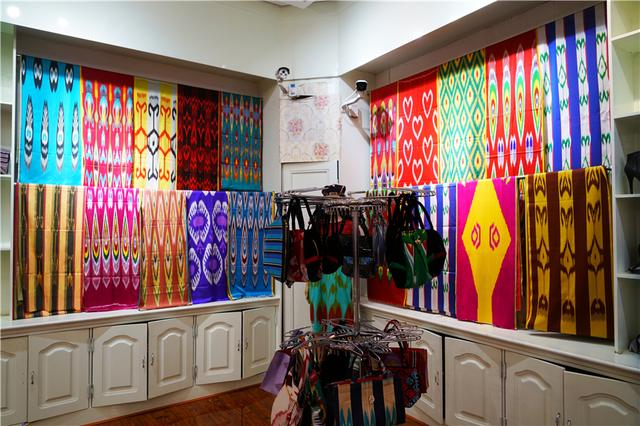
After visiting Aiderlyss (Aiderly Silk) production process, we finally arrived at the display area of the finished products. Aiderlyss (Aiderly Silk) uses natural plant dyes. It is harmless to the human body and skin and has certain health benefits. The patterns are rough and unrestrained, the colors are simple and changeable. Hats are 50 yuan each, and scarves vary in price from 50-60 yuan to hundreds of yuan depending on size.