Beautiful Xi Shi and Her Lover Retreat by Taihu Lake, Featuring Scenery Comparable to Suzhou Gardens
When people mention classical gardens of the Jiangnan region, many tourists immediately think of Suzhou gardens, such as (Zhuozheng Garden), Liuyuan, and Wutiguan (Netishi Garden). Suzhou gardens are meticulously crafted, releasing traditional aesthetics within a small area. However, considering their area, they are far smaller than Lihua (Lihu Lake) gardens on the shores of Wuxi.
Lihu Lake, also known as Wulitang (Five-Mile Lake), is the extension of Taihu Lake into Wuxi.
Lihua Garden occupies an area of 123 mu (approximately 81.67 acres), which is about 1.58 times that of Zhuozheng Garden, the largest garden in Suzhou, and about 12.3 times that of Liuyuan and 3.52 times that of Wutiguan.
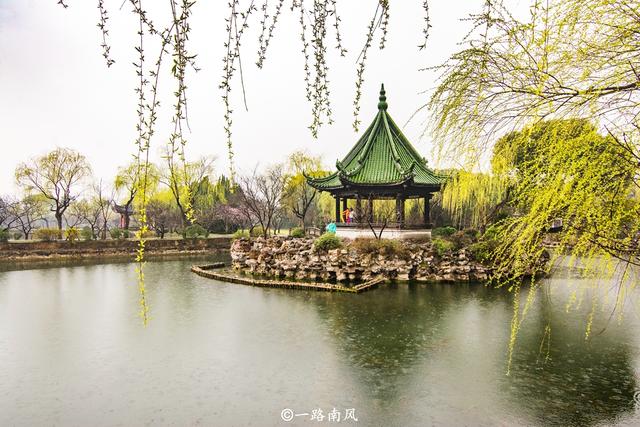
Lihua Garden and Zhuozheng Garden have many differences. Zhuozheng Garden digs a lake and builds a mountain on a flat ground to construct a courtyard. Lihua Garden is built along the lakeside and the embankment, integrating pavilions, towers, and seasonal flowers and plants into natural scenery, which is more like Yangzhou's Shuxi Hu (Slim West Lake) and Hangzhou's Xihu (West Lake).
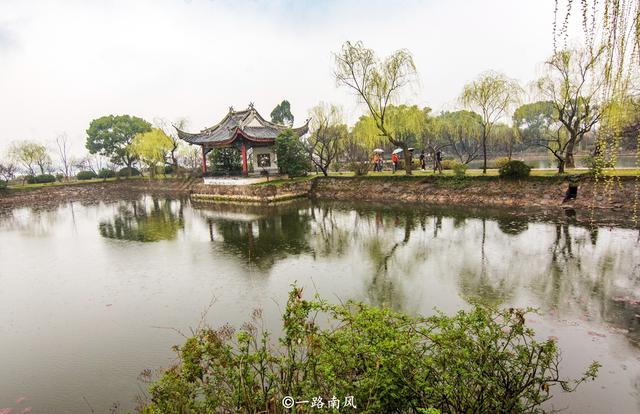
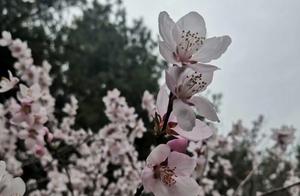
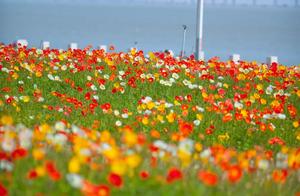
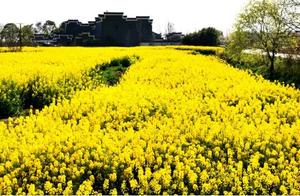
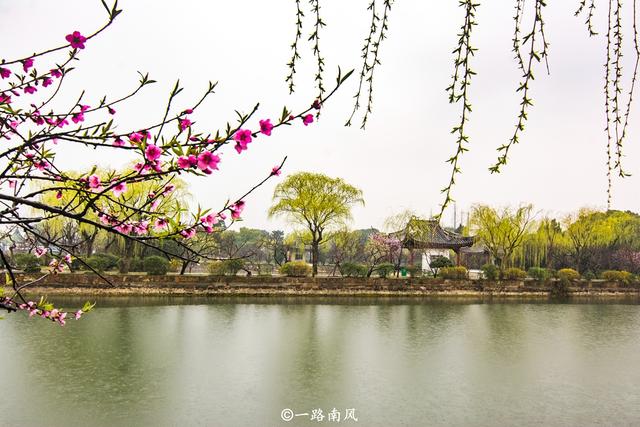
In spring, entering Lihua Garden, flowers are in full bloom, with peach blossoms, plum blossoms, and magnolia blossoms showcasing their most beautiful and delicate appearances.
At this time, willow trees have just sprouted new leaves, and other plants welcome visitors with their new appearances.
Walking along the lakeside embankment with light rain and a gentle breeze, the sudden warmth followed by a slight chill creates an illusion of strolling through a painting.
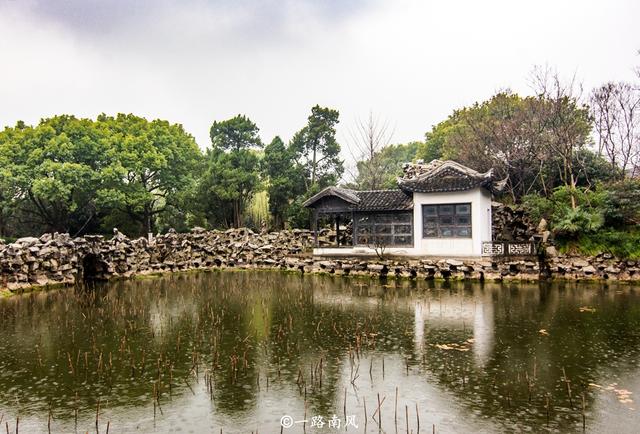
Legend has it that Xi Shi, one of China's first classical beauties, lived here with her lover Fanli in the Spring and Autumn period.
Who was Fanli? He was the strategist of the Yue Kingdom's victory over the State of Wu. Without him, the fate of the Yue Kingdom would have been rewritten. It was also because of Fanli's contribution of presenting Xi Shi to the King of Wu, which indirectly led to the defeat of the State of Wu at the hands of a previously weak country, becoming a negative example in commentary in later generations.
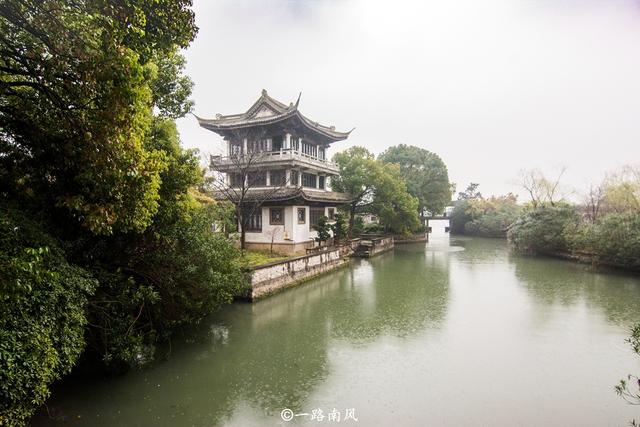
Water scenery is the biggest feature of Lihua Garden, occupying two-fifths of the area of the garden.
Taking a vintage-style painted boat ride on the lake is reminiscent of the Spring and Autumn period. The character 'Lihua' of the garden is Fanli's name. Fanli's merits and demerits are judged by posterity, but he was indeed a person of elegance.
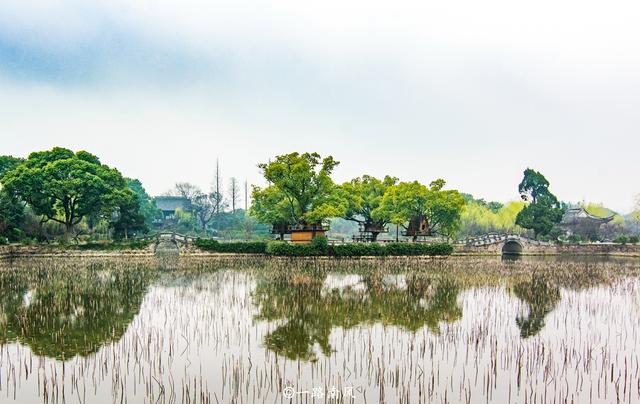
The natural beauty of Lihua Garden has existed since ancient times, but it has not become what we see today as a classical garden for a long time.
In the early years of the Republic of China, (Yue Xunzhen) built eight scenic spots on Wulitang (Five-Mile Lake), and then Wang (Wang Yujing) and his sons utilized the original foundation to build Lihua Garden. In 1930, Chen (Chen Meifang), a relative of the Wang family, built a 'Fisherman's Village' on the west side, and in 1952, the two gardens were connected by a long corridor to form a single garden. The layered reflections you see now were expanded in 1980.
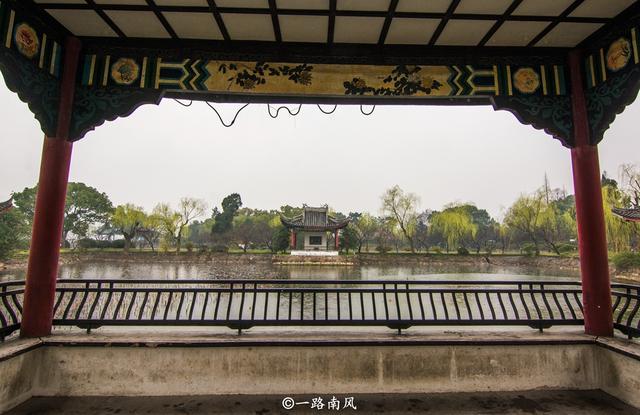
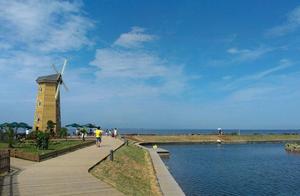
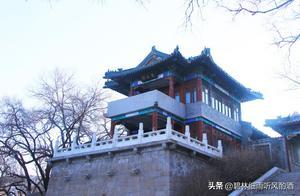
Lihua Garden has a lake within a lake, and the opposite side of the lake embankment also has an embankment. Visitors can hide within the courtyards, and enjoy the lakeside scenery. It is a very special place. Various square pavilions are built in the corners of the lake embankment for resting and enjoying the scenery, and it's also a great place for taking photos.