Today's Taihu Lake: Spring Vibes and Ancient Village Blossoms
In the midst of spring, the scenery is exceptionally beautiful. Located deep in the mountains of Tangquan Town, Cai Fan Ancient Village, a site of ancient dwellings, has arrived at a beautiful season where rapeseed flowers, peach blossoms, and pear blossoms are in full bloom, playing a melody of spring and painting a scene of spring's splendor. Everywhere, the fragrance of flowers fills the air, with a colorful display, attracting tourists from all over to experience nature and enjoy farm stays, bringing vitality to rural tourism plus poverty alleviation.
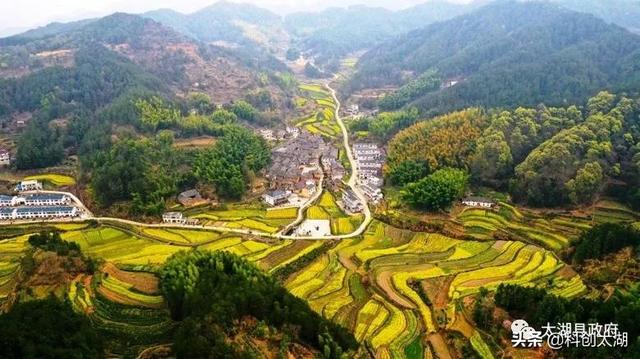
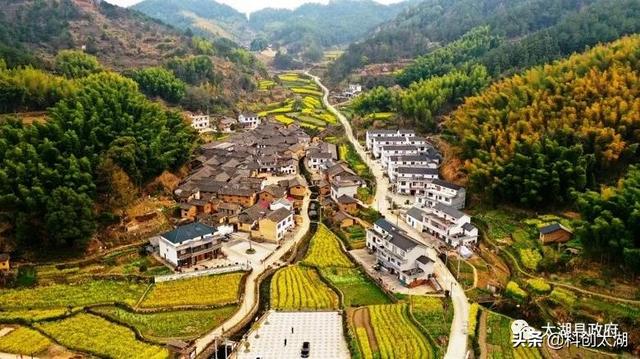
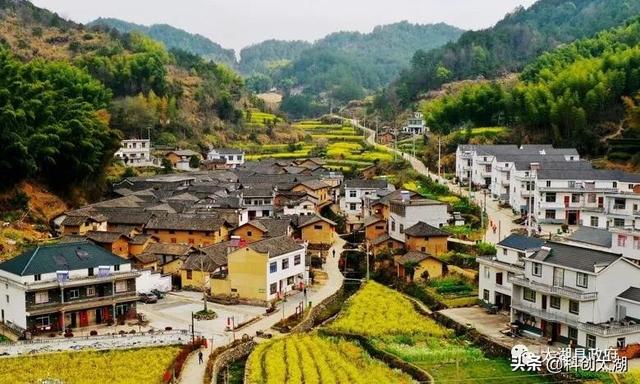
A reporter strolled through the ancient dwellings with a history of over 500 years, smelling the intoxicating fresh fragrance and searching for the bygone years. Together with every resident of the dwellings, and the incoming tourists, they shared the precious wealth of the 'living fossils' of the Dabie Mountain Ancient Architectural Group.
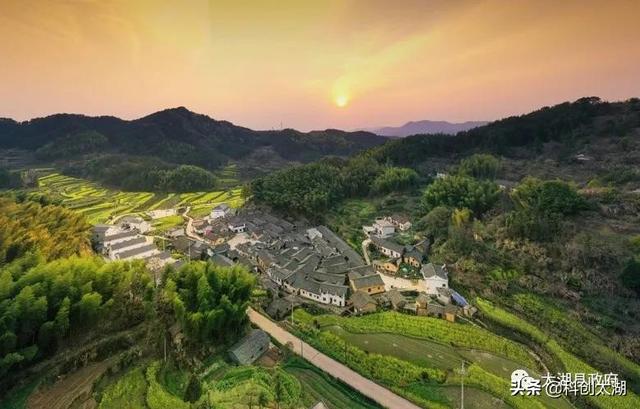
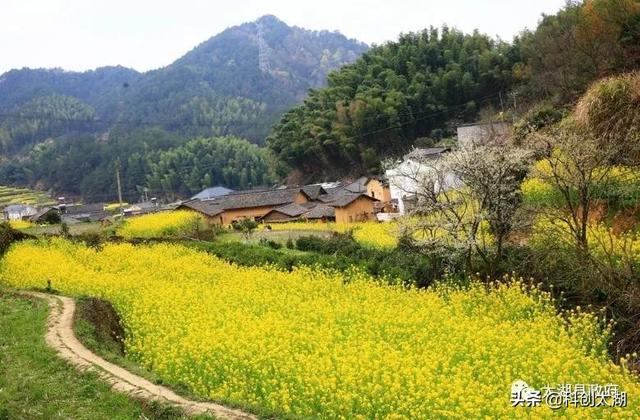
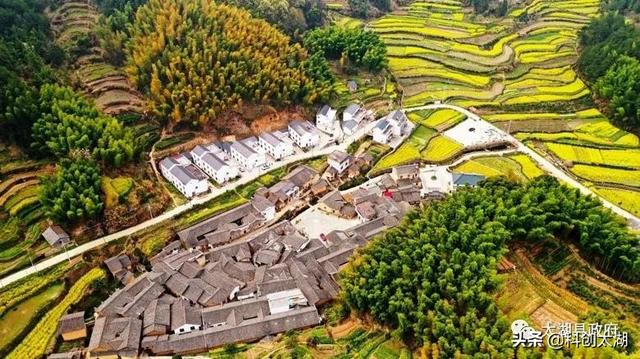
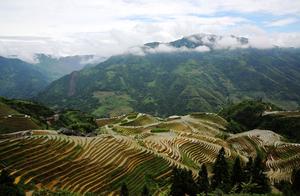
Standing in the village, looking out at the surrounding mountains, majestic and lush green, rapeseed flowers in layers of terraces bloom, golden and brilliant, nurturing a vibrant spring. From above, the ancient dwellings quietly embrace the sea of flowers, flowers kissing the essence of the dwellings, a time of 500 years interwoven and shining, making this village, which had already been listed as one of China's 'first-batch traditional ancient villages' eight years ago, even more dazzling and glorious, honoring the mountains.
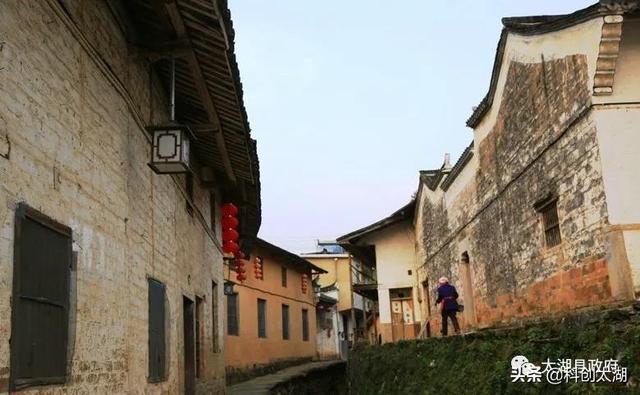
Walking through the alleys, carefully searching, there are over 600 ancient dwellings, each alley connected, each house peaceful and quiet. In patient tasting, we connected the time's passage, recalled distant echoes. Let you stand at every courtyard of 'Four Water Return to Pond', through the direct sunlight, will have flying dreams, riding on the wings of spring, soaring the soul's yearning. Also, let you stand in front of 'Poetry Platform', every moment, through the hall of culture, will have aspirations of excellence, accompanied by the fragrance of the outside, write poetry and distance. Cai Fan, spring sings for you. Village, spring wears a halo for you.
Cai Family Ancient Dwellings
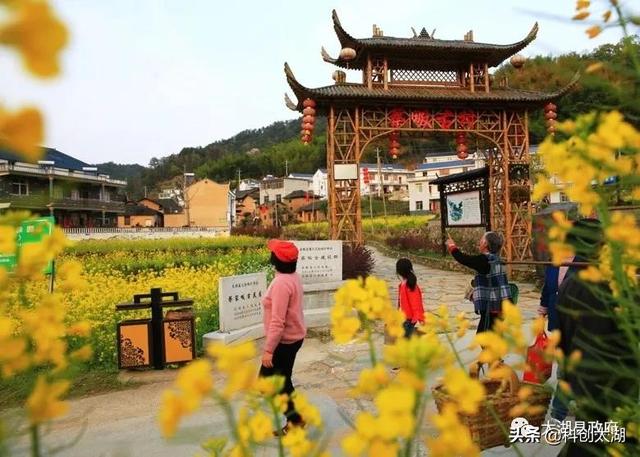
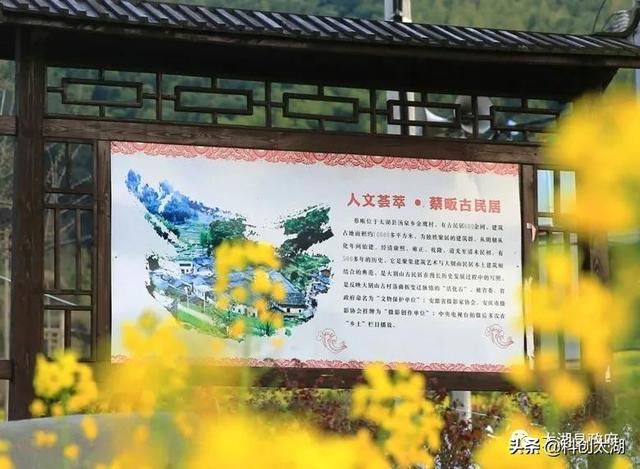
Located in the deep mountains of Tangquan Town's Jinhong Village, Cai Family Village, 3 kilometers from the Chibi Line, the residents are mainly of Yin surname. There are over 600 ancient dwellings, with a construction area of about 14600 square meters. The ancient dwellings were built as early as the Ming Dynasty's Minghua year, with a history of over 500 years. In March 2009, the Taizhou People's Government listed it as a county-level key cultural relic protection unit. In June 2012, it was designated as a 'provincial cultural relic protection unit', and in December 2012, it was selected into the 'first batch of China's traditional ancient village' list named by the National Cultural Heritage Administration, Ministry of Housing and Urban-Rural Development, and Ministry of Finance.
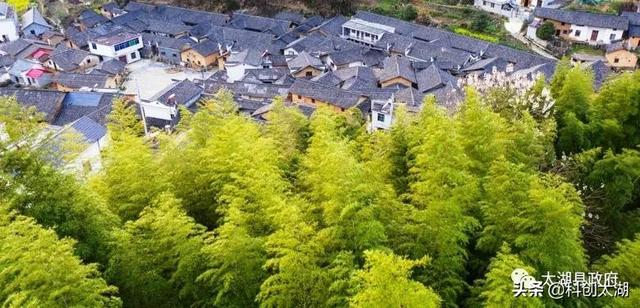
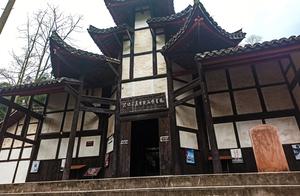
These representative ancient buildings include lower hall, middle hall, upper hall, Xinhui Public House, Wei Jia Public House, Chun Yu Public House, Yin Luan Shen's Former Residence, and Yin Clan Ancestral Hall, which are relatively well-preserved. The ancient dwellings are surrounded by mountains on three sides, with the main buildings facing northwest and southeast, divided into ordinary dwellings, the core hall, and the ancestral hall, three grades.
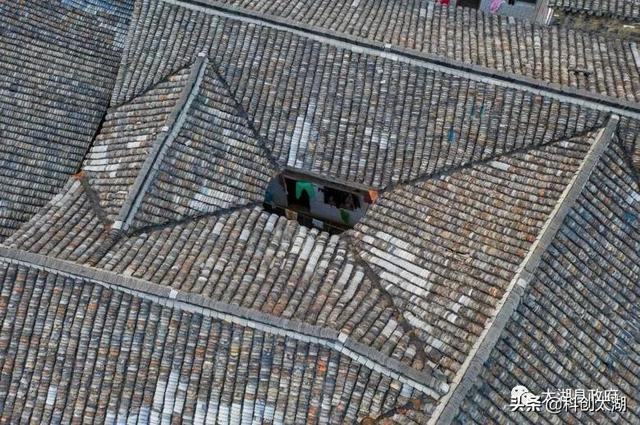
Ordinary dwellings are all two-story brick-walled wood-structure buildings, with simple interior and exterior decorations. The dwellings are connected side by side, forming a unified organic whole. Each household has alleyways connecting them, and a small river paved with blue stone surrounds the dwellings.
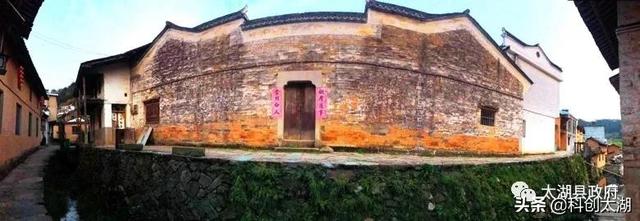
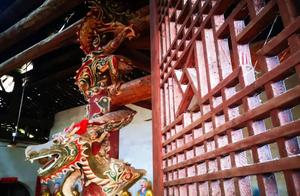
The core hall and ancestral hall are Qing brick and tile horse head walls, with an exterior of ancient and elegant appearance and an interior structure of pillars and beams, with strong and corrosion-resistant hardwood grown naturally in the local area used for pillars, beams, and supporting beams. The core hall and ancestral hall, these traditional architectural artworks of the Ming style, together with the ordinary ancient dwellings of Cai Fan, constitute the Cai Fan Ancient Dwellings architectural group, with a grand scale and volume, possessing high cultural relic value and historical research value, and are known as 'living fossils' of the Dabie Mountain architecture. (Liu Hui Ye Fei)